What Happened to Libyan Jews in the Holocaust?
From the National Library of Israel
The Holocaust is usually remembered as a European story, but it reached the Jews of North Africa too, and the Jews of Libya suffered most directly. In this 2024 article for the National Library of Israel's blog, the Israeli novelist Yossi Sucary, whose own family was among the victims, tells their story.
The desert camps
Giado
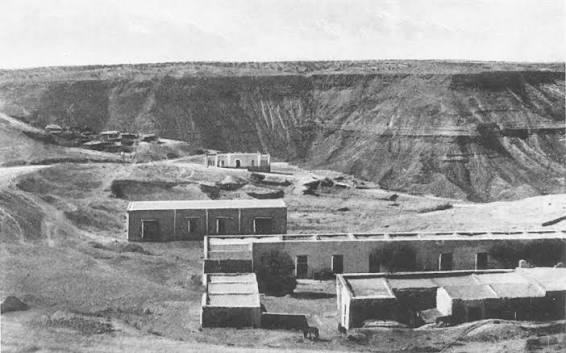
Libya was an Italian colony allied with Nazi Germany. During the war, camps were set up at Giado, Gharyan, and Sidi Azaz, and thousands of Jews from Cyrenaica and Tripoli were sent to them, including women and children. At Giado, the largest, more than 2,600 Jews were imprisoned, and about 600 died of hunger, exhaustion, and disease.
Deported to Europe
Bergen Belsen
Libyan Jews who held British passports should have been treated as civilian prisoners of war. Instead, they were shipped to Italy and then to camps in Europe, including Bergen Belsen, a journey from the heat of the Sahara to the cold of a European winter. After liberation, survivors returned to Libya.
Remembering
A family story
Sucary's grandmother survived Bergen Belsen, and he based his novel Benghazi Bergen Belsen on her story and on interviews with other survivors. He argues that the suffering of Libya's Jews has been largely left out of how Israelis remember the Holocaust, and calls for that history to be told.
Read the full article at the National Library of Israel →
This summary was written by JIMENA and is based on “What Happened to Libyan Jews in the Holocaust?” by Yossi Sucary, published by the National Library of Israel (January 25, 2024), with additional background from the United States Holocaust Memorial Museum. The original article belongs to the National Library of Israel.