Jewish History
Explore the History of the Jews of Lebanon
The Jewish community of Lebanon was small, but it was unusual in the Middle East. For much of the twentieth century, Lebanon was a refuge, a place where Jews from Syria and Iraq could live in relative safety. Its story ended not with a single law or expulsion, but with the long civil war that tore the country apart.
9,000 to 10,000 Jews at the community's peak, after 1948 | Wadi Abu Jamil the heart of Jewish Beirut | 1975 civil war begins and drives almost all Jews away |
Ancient and medieval roots
Cedars, Sidon, and the mountains
The Bible describes how Hiram, king of Tyre, sent cedars of Lebanon to King Solomon to build the Temple in Jerusalem. Jews lived in the coastal city of Sidon from at least the first century BCE, and the medieval traveler Benjamin of Tudela found Jewish communities along the coast in the twelfth century.
From the eighteenth century, a Jewish community lived in Deir al Qamar, in the Chouf mountains, under the protection of local Druze rulers. Many of these families later moved to Beirut.
Beirut
Wadi Abu Jamil
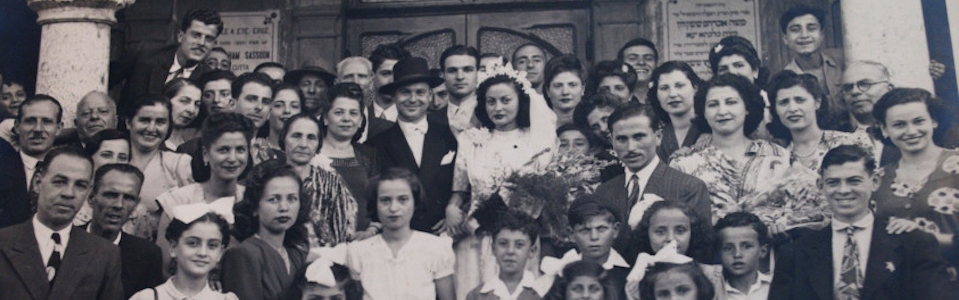
As Beirut grew into a busy port in the late nineteenth century, Jews from the mountains, Syria, and beyond settled in the neighborhood of Wadi Abu Jamil. The Alliance Israélite Universelle and other Jewish schools opened, and in 1926 the community built the Maghen Abraham Synagogue.
Under the French Mandate and after independence in 1943, Lebanon's constitution recognized many religious communities, including Jews. The community published the Arabic newspaper Al Alam al Israili, and Jewish families worked as merchants, bankers, and professionals.
A refuge
1948 to 1967
After 1948, when Jews were persecuted in neighboring Syria and Iraq, many fled to Lebanon. It was the only Arab country where the Jewish population grew, reaching about 9,000 to 10,000. Tensions rose during the 1958 crisis and after the 1967 war, and many families began to leave for France, Europe, the Americas, and Israel.
Civil war
1975 to 1990
When civil war broke out in 1975, Wadi Abu Jamil lay near the front lines. Jewish homes and institutions were damaged, and most of the remaining Jews left. The Maghen Abraham Synagogue was badly damaged during the fighting in 1982.
In 1984 and 1985, a group linked to Hezbollah kidnapped at least seven members of the Jewish community, including its leader Isaac Sasson and the community's physician, Dr. Elie Hallak. At least three were confirmed murdered; the fate of the others has never been officially resolved.
Today
A synagogue restored
Only a few dozen Jews are believed to live in Lebanon today, though thousands of Lebanese Jews and their descendants live abroad. Restoration of the Maghen Abraham Synagogue began in 2010, a rare sign of recognition for a community that is now almost gone.
Living heritage
Lebanese Jewish culture today
Lebanese Jews spoke Arabic and French, cooked kibbeh, tabbouleh, and labneh, and celebrated in the synagogues of Wadi Abu Jamil and Aley, the mountain resort where Jewish families spent their summers. Today Lebanese Jews in Brazil, France, Canada, the United States, and Israel keep that memory alive.
Explore further
Keep exploring
Timeline of Jewish Presence → Key dates in the history of the Jews of Lebanon, at a glance. |
Policies, laws, and decrees → The laws that shaped the rights and lives of Jews in Lebanon. |
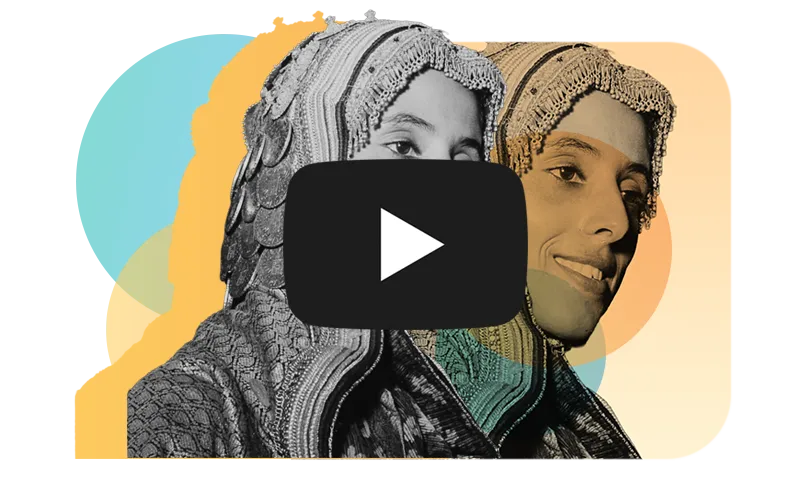
Oral histories from Lebanon → Watch Lebanese Jews tell their own stories. |
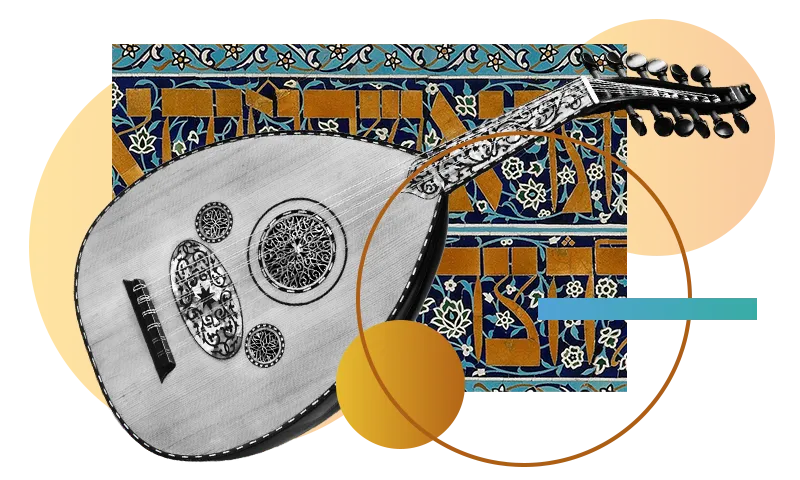
Lebanese Jewish culture → Languages, music, food, and traditions. |
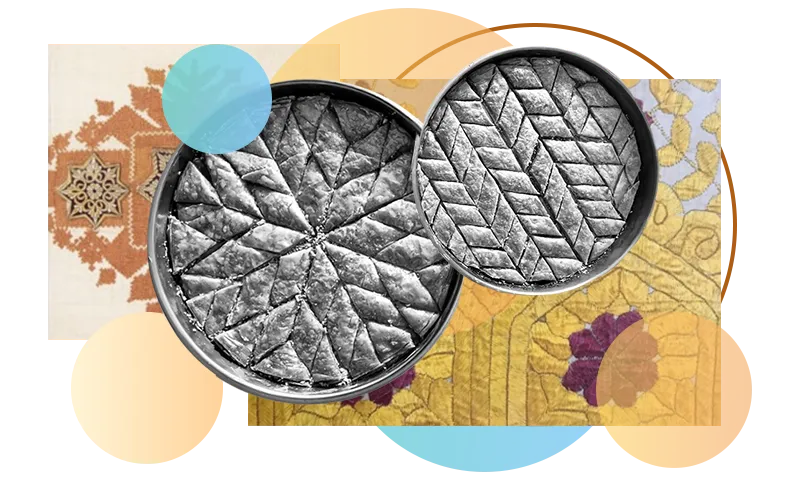
Lebanese Jewish recipes → Dishes for Shabbat, holidays, and every day, and the stories behind them. |
Books on the Jews of Lebanon → Histories, memoirs, novels, and children's books in JIMENA's library. |
For the classroom
Questions to discuss
- Lebanon's Jewish population grew after 1948, while it shrank in most Arab countries. Why might that have happened?
- How did the civil war that began in 1975 affect Lebanon's Jews?
- How do you think Lebanese Jews kept a sense of belonging to Lebanon after they left?
Sources: History of the Jews in Lebanon; Maghen Abraham Synagogue.