Jewish History
Explore the History of the Jews of Libya
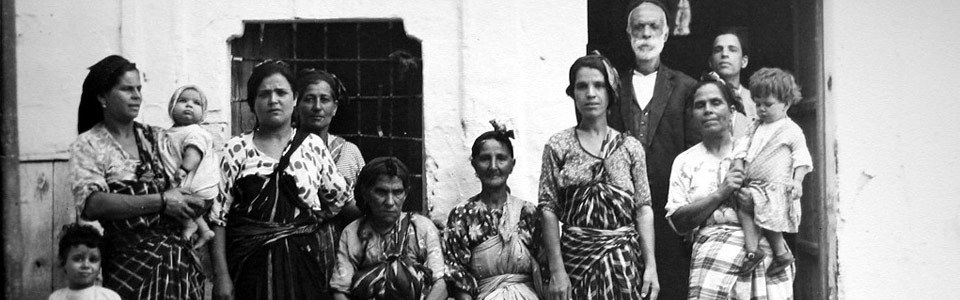
Libya's Jewish story stretches from the Greek city of Cyrene to the bustling Jewish quarter of Tripoli, where in the 1930s about a quarter of the city's people were Jewish. Within twenty five years of the end of World War II, the community of nearly 40,000 was gone. Its history lives on in Rome, in Israel, and in the memories of families like that of JIMENA's cofounder, Gina Bublil Waldman.
2,000+ years of Jewish life in Libya | More than 140 Jews killed in the 1945 Tripoli pogrom | Nearly 40,000 Jews who left; none remain today |
Ancient roots
Cyrene
Around 312 BCE, the Egyptian ruler Ptolemy I settled Jews in Cyrenaica, in eastern Libya, and a large community grew in the city of Cyrene. The New Testament mentions Simon of Cyrene, and in 115 CE Cyrene's Jews led a revolt against Rome that ended in devastation.
Ottoman and Italian rule
Tripoli's Jewish quarter
Jews continued to live in Tripoli, Benghazi, and small towns and villages, including cave dwellings in the Nafusa mountains. Under Ottoman rule, from 1551, they lived as dhimmis, protected but unequal. Tripoli's hara, or Jewish quarter, was home to dozens of synagogues.
Italy seized Libya in 1911. At first Jews had new opportunities in trade and education, and by the 1930s they made up about a quarter of Tripoli's population. In 1938, Fascist Italy's racial laws pushed Jews out of schools and government jobs.
World War II
Giado
In 1942, Italian authorities sent about 2,600 Jews from Benghazi and other towns of Cyrenaica to the Giado camp in the desert south of Tripoli. Some 562 people died there of hunger and typhus. Jews with British citizenship were deported to camps in Europe, including Bergen Belsen, and Jewish men were sent to forced labor.
Pogroms
1945 and 1948
On November 5 to 7, 1945, under British military rule, rioters in Tripoli and nearby towns killed more than 140 Jews, including 36 children, and destroyed nine synagogues and hundreds of homes and shops. In June 1948, riots killed 12 more Jews and destroyed 280 homes; this time Jewish self defense groups fought back.
Between 1949 and 1951, more than 30,000 Libyan Jews, most of the community, left for the new State of Israel.
The end of a community
1951 to 2003
Libya became independent under King Idris in 1951. A 1961 law required a special permit to prove citizenship, and nearly all Jews were denied it. In June 1967, during the Six Day War, riots killed 18 Jews. Community leaders asked for permission to leave temporarily, and more than 6,000 Jews were evacuated to Italy, most with one suitcase.
When Muammar Gaddafi seized power in 1969, about 100 Jews remained. In 1970 his government confiscated Jewish property and cancelled debts owed to Jews. The last Jewish resident of Libya left in the early 2000s.
Living heritage
Libyan Jewish culture today
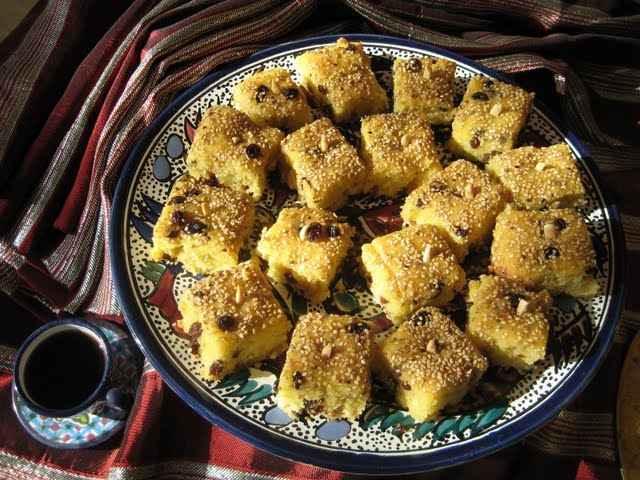
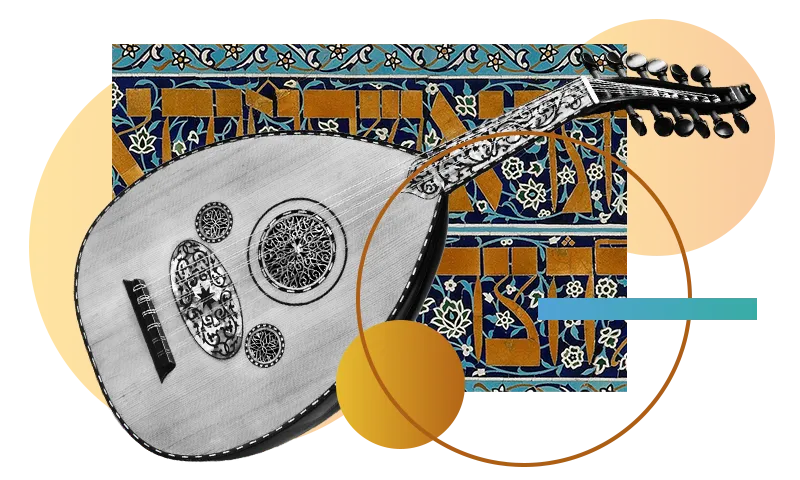
Libyan Jews brought their culture to Israel and Italy, where a vibrant community still lives in Rome: the Judeo Arabic of Tripoli, dishes like mafrum (stuffed potatoes), chraime (spicy fish), and shakshuka, and synagogue melodies that are still sung today.
Explore further
Keep exploring
Timeline of Jewish Presence → Key dates in the history of the Jews of Libya, at a glance. |
Policies, laws, and decrees → The laws that shaped the rights and lives of Jews in Libya. |
Oral histories from Libya → Watch Libyan Jews tell their own stories. |
Libyan Jewish culture → Languages, music, food, and traditions. |
Libyan Jewish recipes → Dishes for Shabbat, holidays, and every day, and the stories behind them. |
Books on the Jews of Libya → Histories, memoirs, novels, and children's books in JIMENA's library. |
For the classroom
Questions to discuss
- What happened at the Giado camp, and why is it part of the history of the Holocaust?
- How did the riots of 1945, 1948, and 1967 shape the decision of Libyan Jews to leave?
- JIMENA's cofounder was among the Jews forced out of Libya in 1967. Why do personal testimonies matter when we learn history?
Sources: History of the Jews in Libya; Giado concentration camp; 1945 anti Jewish riots in Tripolitania.