Jewish History
Explore the History of the Jews of Morocco
Morocco's Jewish story is one of the longest and richest in the Muslim world. For two thousand years, Jews lived in the cities and mountain villages of Morocco, speaking Judeo Arabic, Spanish, and Berber languages. Though most have left, Morocco remains the only Arab country with an organized Jewish community of any size, and its heritage is honored there today.
About 2,000 years of Jewish life in Morocco | About 250,000 Jews at the peak, the largest community in the Muslim world | About 2,000 Jews in Morocco today, the largest community in North Africa |
Ancient roots
Volubilis and the mountains
Moroccan Jewish tradition holds that Jews first arrived after the destruction of the First Temple in 586 BCE. The earliest physical evidence comes from Hebrew inscriptions in the Roman city of Volubilis. Jewish communities lived among Berber (Amazigh) tribes in the Atlas Mountains and the valleys to the south for centuries.
Under Islam
Golden ages and persecution
After the Islamic conquest around 700, Jews lived as dhimmis, protected but unequal. Fez became a great center of Jewish learning. In the 1140s, the Almohad dynasty forced Jews and Christians to convert or flee; the family of the young Maimonides lived in Fez for several years during this time.
In 1438, the Jews of Fez were moved into a walled quarter next to the royal palace, the first mellah. Over time, mellahs appeared in Marrakesh, Meknes, and other cities, offering protection but also enforcing separation.
Refugees from Spain
Megorashim and toshavim
After the expulsions from Spain in 1492 and Portugal in 1497, thousands of Sephardic Jews arrived in Morocco. They were called megorashim, the expelled, while the local Jews were called toshavim, the residents. The newcomers brought Spanish, their own customs, and rabbinic leaders. In the north, their Judeo Spanish language, Haketia, is still remembered.
The modern era
1864 to 1956
In 1864, Sir Moses Montefiore traveled to Marrakesh and persuaded Sultan Mohammed IV to issue a decree promising justice for Jews. From 1862, schools of the Alliance Israélite Universelle opened across Morocco and taught French. France ruled most of Morocco as a protectorate from 1912 to 1956.
During World War II, Vichy France applied anti Jewish laws in Morocco. Moroccan Jews remember Sultan Mohammed V for standing with his Jewish subjects, though historians debate how much he could limit Vichy's laws. In June 1948, riots in Oujda and Jerada killed 44 people, most of them Jews.
Leaving
1948 to 1967
At its peak, about 250,000 Jews lived in Morocco. After independence in 1956, Morocco banned emigration to Israel in 1959. In January 1961, the boat Egoz sank while carrying Jews secretly to Israel, and 46 people drowned. Morocco then allowed Operation Yachin, which brought about 97,000 Jews to Israel from 1961 to 1964. Others settled in France, Canada, and Spain.
Today
A living community
About 2,000 Jews live in Morocco today, most in Casablanca. Morocco's 2011 constitution names Hebrew heritage as part of the national identity, and synagogues, cemeteries, and the Bayt Dakira heritage house in Essaouira have been restored. Hundreds of thousands of Israelis of Moroccan descent keep close ties to the country.
Living heritage
Moroccan Jewish culture today
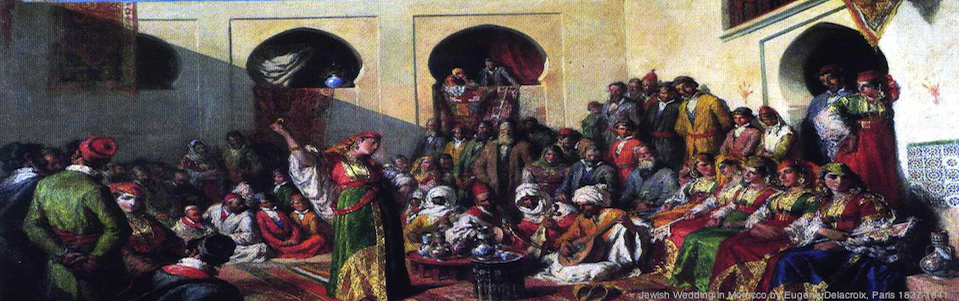
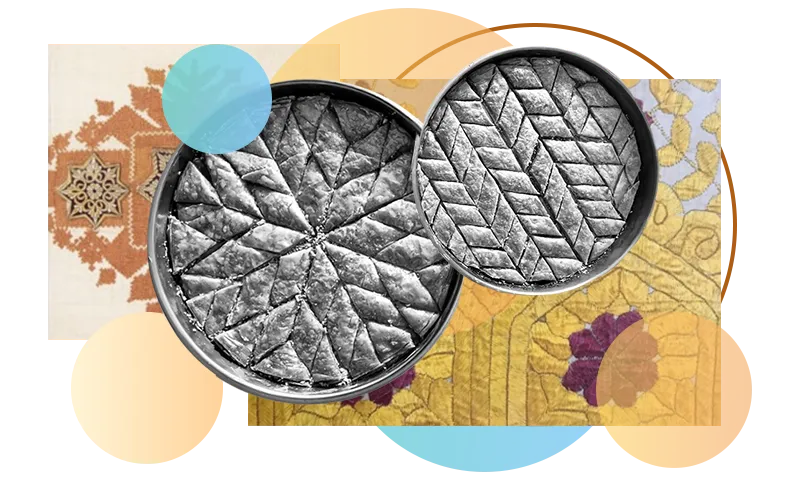
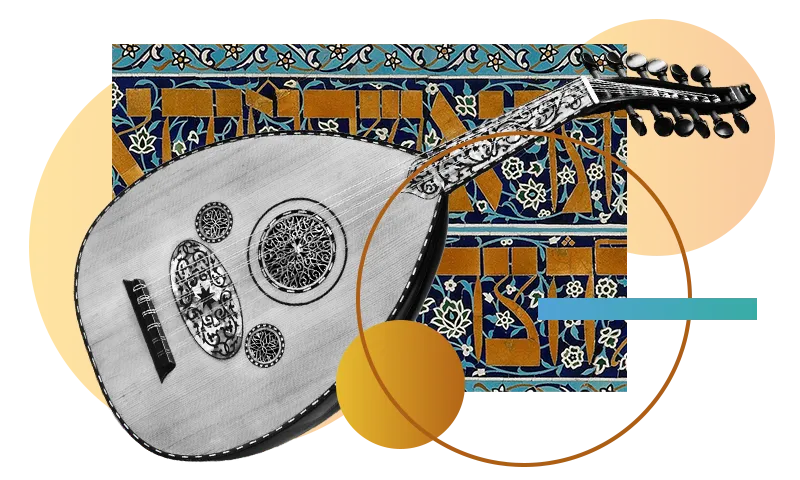
Moroccan Jewish culture is celebrated around the world: the Mimouna festival at the end of Passover, with its mufleta pancakes; pilgrimages, called hilloulot, to the tombs of righteous rabbis; the Andalusian music and piyyutim of the synagogue; singers like Zohra El Fassia and Samy Elmaghribi; and dishes like dafina, the slow cooked Shabbat stew.
Explore further
Keep exploring
Timeline of Jewish Presence → Key dates in the history of the Jews of Morocco, at a glance. |
Policies, laws, and decrees → The laws that shaped the rights and lives of Jews in Morocco. |
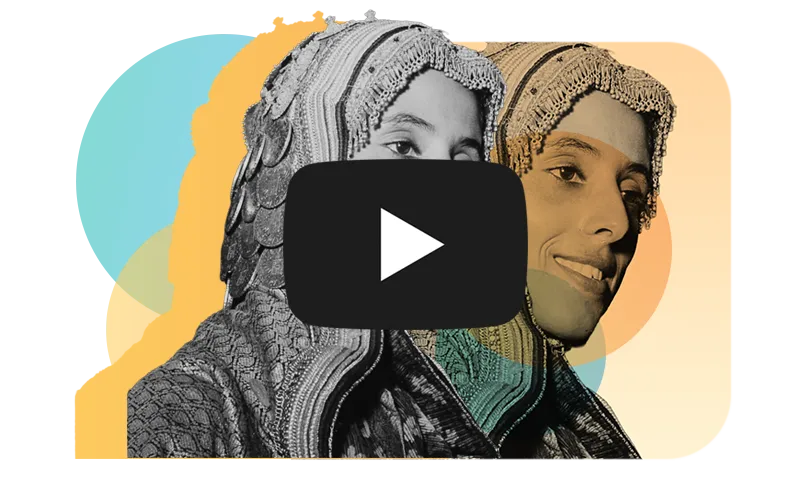
Oral histories from Morocco → Watch Moroccan Jews tell their own stories. |
Moroccan Jewish culture → Languages, music, food, and traditions. |
Moroccan Jewish recipes → Dishes for Shabbat, holidays, and every day, and the stories behind them. |
Books on the Jews of Morocco → Histories, memoirs, novels, and children's books in JIMENA's library. |
For the classroom
Questions to discuss
- Moroccan Jewish culture grew from two roots, the toshavim and the megorashim. What did each bring?
- What is the Mimouna, and why do Moroccan Jews open their homes to neighbors at the end of Passover?
- Morocco still has a Jewish community today. How is its story different from other countries in the region?
Sources: History of the Jews in Morocco; Migration of Moroccan Jews to Israel; World Jewish Congress: Morocco.