Jewish History
Explore the History of the Jews of Tunisia
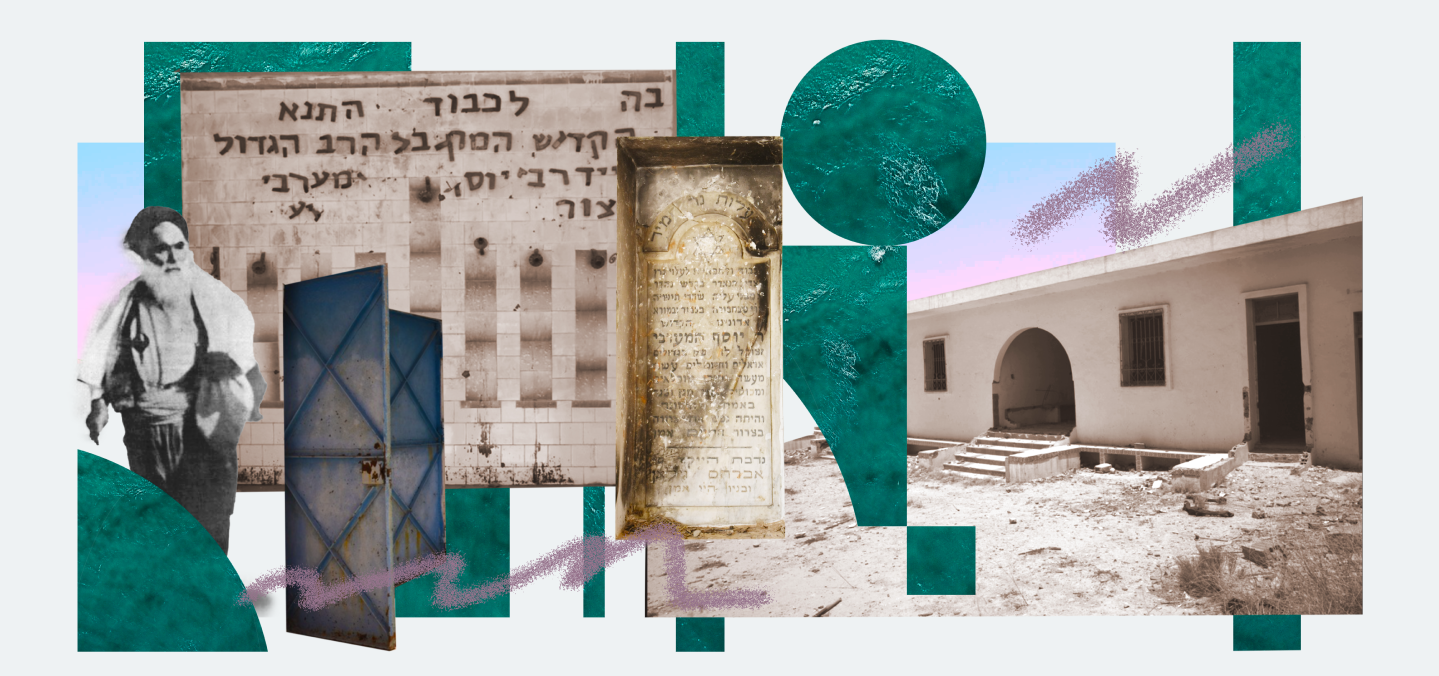
Tunisia is home to one of the oldest Jewish communities in the world, and to one of the last that still lives in its ancient homes. On the island of Djerba, families still gather at the El Ghriba synagogue every spring, as they have for centuries. The story of Tunisia's Jews stretches from Roman Carthage to the forced labor camps of World War II and the departure of most of the community after independence.
About 2,000 years from Roman Carthage to Djerba | About 105,000 Jews in Tunisia before independence | 1,000 to 1,500 Jews who remain, many on Djerba |
Ancient roots
Carthage and Djerba
Jews lived in Roman Carthage by the second century CE, as tombs and writings show. On Djerba, tradition holds that the El Ghriba synagogue was founded by priests who fled Jerusalem after the destruction of the First Temple, carrying a stone from it.
After the Byzantine conquest in 533 to 534, Emperor Justinian issued harsh laws against Jews. After the Arab conquest at the end of the 600s, Jews lived as dhimmis, protected but unequal.
Kairouan
A center of learning
In the tenth and eleventh centuries, the city of Kairouan was one of the great centers of Jewish scholarship. Rabbis such as Rabbenu Hananel and Rabbenu Nissim wrote commentaries still studied today. Later, under the Almohads in the twelfth century, Jews faced forced conversion and persecution.
Two communities
Twansa and Grana
In the 1600s, Jewish merchants from Livorno, in Italy, settled in Tunis. They became known as the Grana, while the long established local Jews were the Twansa. The two groups kept separate synagogues and institutions for centuries.
In 1857, a Jewish carter named Batto Sfez was executed on a charge of blasphemy. The outcry, and pressure from France and Britain, led the ruler to issue the Fundamental Pact, which promised equality to all subjects.
French rule and war
1881 to 1943
France made Tunisia a protectorate in 1881. Jews embraced French schools and culture, and some became French citizens. In 1940, the Vichy regime imposed anti Jewish laws.
From November 1942 to May 1943, German forces occupied Tunisia. They took hostages, demanded heavy payments from the community, and sent about 5,000 Jewish men to some 40 forced labor camps. A number of Jews were deported to camps in Europe. Some Muslim Tunisians risked their lives to hide Jewish neighbors.
Independence and departure
1956 to 1967
About 105,000 Jews lived in Tunisia before independence in 1956. The new government of Habib Bourguiba promised equality, but in 1958 it dissolved the Jewish Community Council, and parts of the old Jewish quarter of Tunis and its cemetery were cleared. After the 1961 Bizerte crisis and riots during the Six Day War in 1967, when the Great Synagogue of Tunis was set on fire, most Jews left for France and Israel.
Today
Djerba
About 1,000 to 1,500 Jews live in Tunisia today, most on Djerba, where children still study in Jewish schools and families keep ancient customs. The El Ghriba synagogue has been attacked twice: a 2002 bombing killed 19 people, and a 2023 shooting killed two Jewish pilgrims and three security officers. Pilgrims still come every year for Lag BaOmer.
Living heritage
Tunisian Jewish culture today
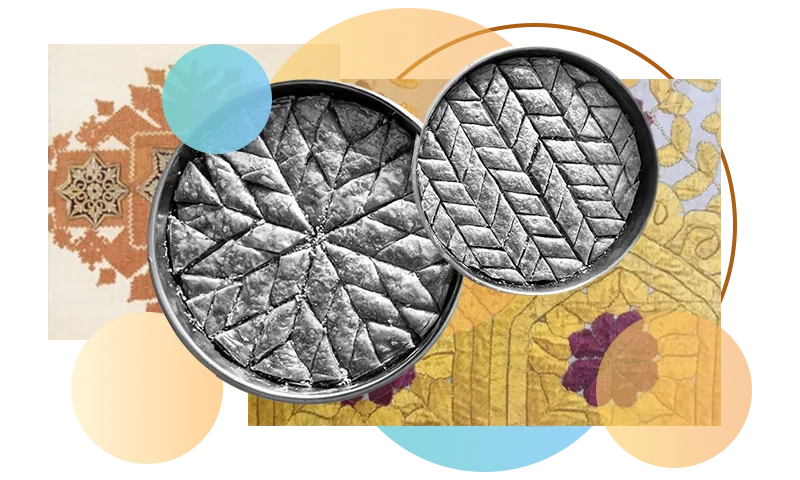
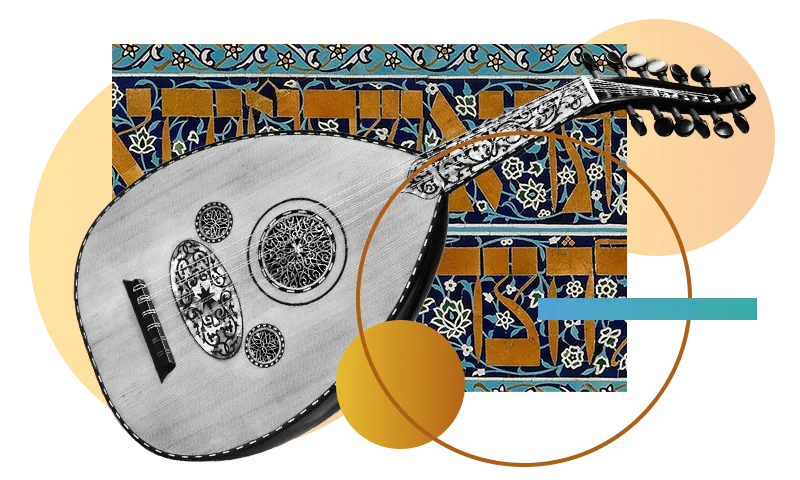
Tunisian Jewish traditions include the Lag BaOmer pilgrimage to El Ghriba; Rosh Hodesh el Bnat, the Festival of the Daughters; dishes like brik, couscous, and the Rosh Hashanah stew called bkaila; the music of singers like Habiba Msika and Cheikh El Afrit; and the writing of the novelist Albert Memmi.
Explore further
Keep exploring
Timeline of Jewish Presence → Key dates in the history of the Jews of Tunisia, at a glance. |
Policies, laws, and decrees → The laws that shaped the rights and lives of Jews in Tunisia. |
Tunisian Jewish culture → Languages, music, food, and traditions. |
Tunisian Jewish recipes → Dishes for Shabbat, holidays, and every day, and the stories behind them. |
Books on the Jews of Tunisia → Histories, memoirs, novels, and children's books in JIMENA's library. |
For the classroom
Questions to discuss
- Why is the island of Djerba special in Jewish history?
- What happened to Tunisian Jews under German occupation in 1942 and 1943?
- What is Rosh Hodesh el Bnat, and what does it tell us about the place of girls and women in Tunisian Jewish life?
Sources: History of the Jews in Tunisia; Ghriba synagogue bombing; The little known story of the Nazi occupation of Tunisia (Times of Israel).