Trainings and Workshops
JIMENA offers customized trainings and workshops for educators, institutions, organizations, and professionals that deepen understanding of Sephardic and Mizrahi Jewish history, heritage, and contemporary experiences while providing practical tools to combat antisemitism, promote cultural awareness, and foster more inclusive communities.
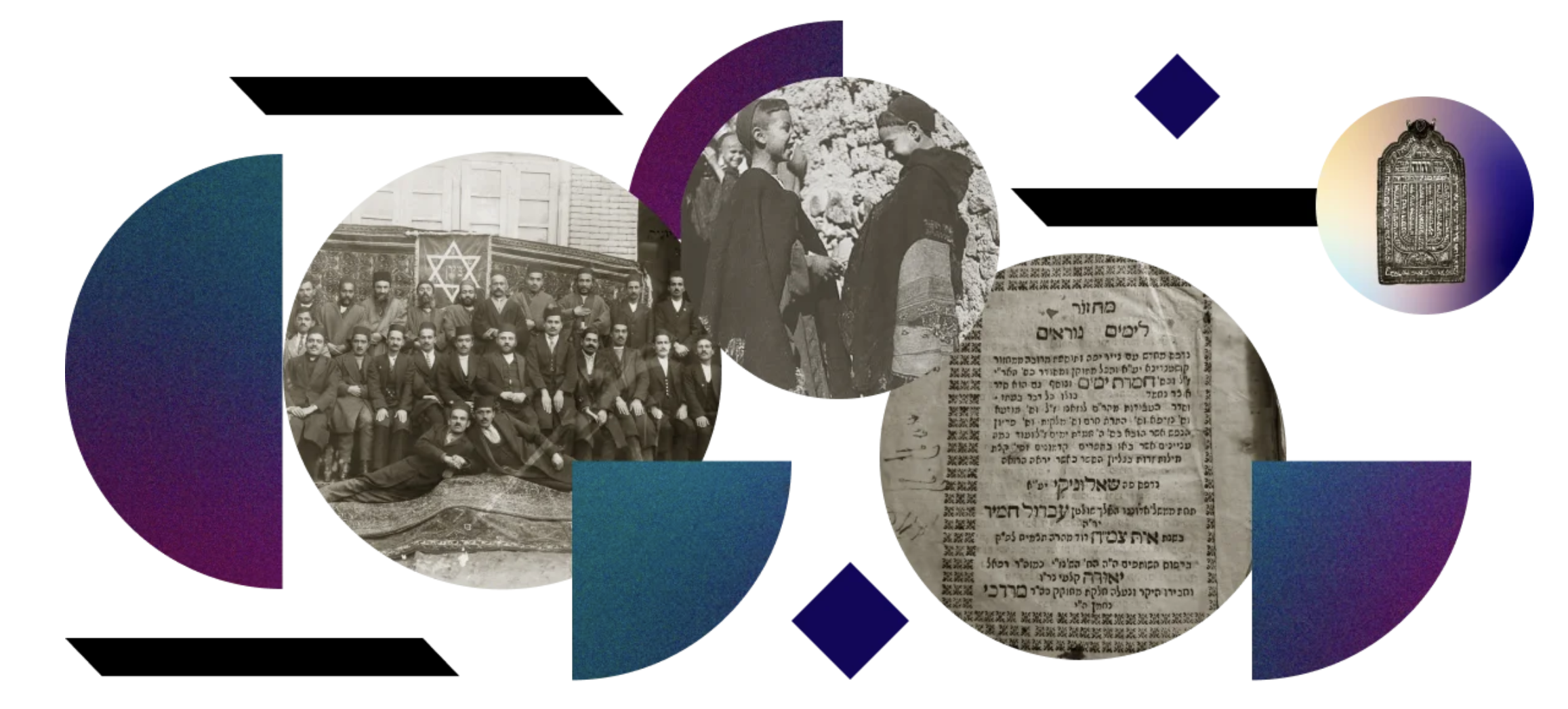
For more than 20 years, JIMENA has led hundreds of trainings on the history, heritage, and contemporary experiences of Jews from the Middle East and North Africa. Our staff and guest educators bring together scholarship, professional experience, and the firsthand stories of the communities we serve, so participants leave with deeper understanding and practical tools they can use right away.
Who we train
Trusted by institutions across sectors
We have trained classroom teachers and school districts, university faculty and staff, Holocaust centers and museums, law firms, government and civil service agencies, Jewish day schools, synagogues and federations, social service agencies, and workplace employee groups.
Partners have included the California Teachers Collaborative for Holocaust and Genocide Education, Fairfax County Public Schools, the American Bar Association's Art and Cultural Heritage Law Committee, and Meta.
Training topics
What we teach
Choose one topic or combine several. Every training is tailored to your audience and goals.
1. Middle Eastern and North African Jewish History
More than 2,500 years of Jewish life across the Middle East and North Africa, the twentieth century displacement of nearly one million Jews from Arab countries and Iran, and the vibrant Sephardic and Mizrahi communities that rebuilt their lives in Israel, the United States, and beyond.
Well suited for: educators, universities, government agencies, and general audiences
2. The Holocaust in the Middle East and North Africa
How Nazi ideology, propaganda, and antisemitic violence reached Jewish communities across the region, with the 1941 Farhud in Baghdad as a case study, and how to bring these often overlooked histories into Holocaust education.
Well suited for: Holocaust centers, museum educators and docents, and curriculum developers
3. Understanding Antisemitism Today
How antisemitism has taken shape across history and how it appears today, including when it is expressed through antizionism, with practical guidance for recognizing it and responding with history and fact.
Well suited for: schools, universities, workplaces, law firms, and public agencies
4. Cultural Property and Heritage Rights
What happened to the synagogues, cemeteries, archives, and communal and private property Jewish communities left behind, and the legal, historical, and ethical questions surrounding their preservation and recognition today.
Well suited for: law firms, legal and policy professionals, museums, and civil service agencies
5. Culturally Responsive Care
The histories, cultural values, and needs of Sephardic and Mizrahi clients, and practices that help therapists, social workers, and service providers offer care that is informed and respectful.
Well suited for: social service agencies, clinicians, and health care providers
6. Building Inclusive Jewish Institutions
Who Sephardic and Mizrahi Jews are, what JIMENA's national research shows about their experiences, and concrete steps schools, synagogues, and organizations can take so every Jew feels seen and included.
Well suited for: Jewish day schools, synagogues, federations, camps, and communal organizations
7. Teaching Sephardic and Mizrahi History in the Classroom
Hands on practice with JIMENA's lesson plans, primary sources, and oral history testimonies, with guidance for different grade levels and subjects. Learn more about professional development for educators.
Well suited for: K to 12 teachers, administrators, and districts
Formats
How we work with you
- Trainings and workshops of 60 to 120 minutes, in person or online
- Multi session series for teams that want to go deeper
- Talks and keynotes for conferences, staff gatherings, and public programs
- Consultations on curriculum, programming, exhibitions, and institutional inclusion
- Fellowships for professionals and lay leaders through our Sephardic Leaders Fellowship
Our educators
Who leads our trainings
Trainings are led by JIMENA staff and guest educators, including historians, rabbis, educators, clinicians, and legal and policy experts. Many sessions include the firsthand testimony of Jews who grew up in the Middle East and North Africa, drawn from our Oral History Project and our Speakers Bureau.