Our Work
We cannot effectively combat antisemitism without teaching who Jews are.
For more than two decades, JIMENA has confronted antisemitism through education, public advocacy, coalition building, and engagement with governments and the United Nations.
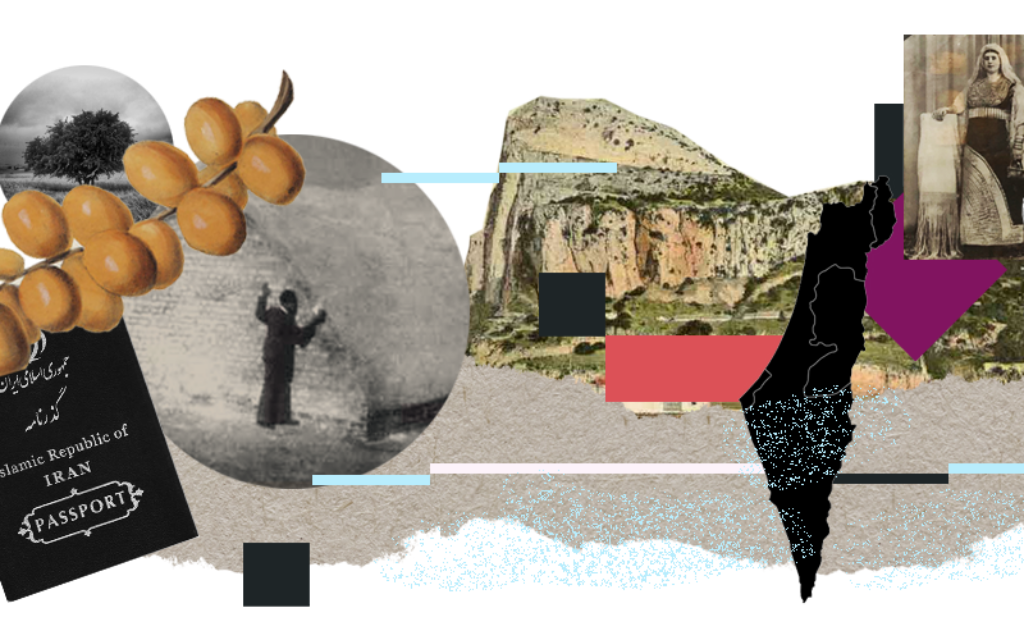
For more than two decades, JIMENA has confronted antisemitic narratives that portray Jews as white, European settler-colonialists with no historical or ancestral connection to Israel and the wider Middle East. These narratives do more than misrepresent Jewish diversity. They erase Jewish peoplehood, obscure millennia of Jewish life in the region, and recast communities shaped by persecution and displacement as foreign interlopers. Challenging this historical revisionism has been central to JIMENA’s work since our founding.
For the Jewish refugees and descendants whose experiences inform our work, this is not an abstract debate. Many of our families experienced the consequences of being portrayed as outsiders in countries where their communities had lived for centuries. Jews were stripped of citizenship, dispossessed, imprisoned, and forced to flee, often under the banner of anti-Zionism. Narratives that deny our belonging in the Middle East echo a history our communities know firsthand. See the laws that criminalized Zionism.
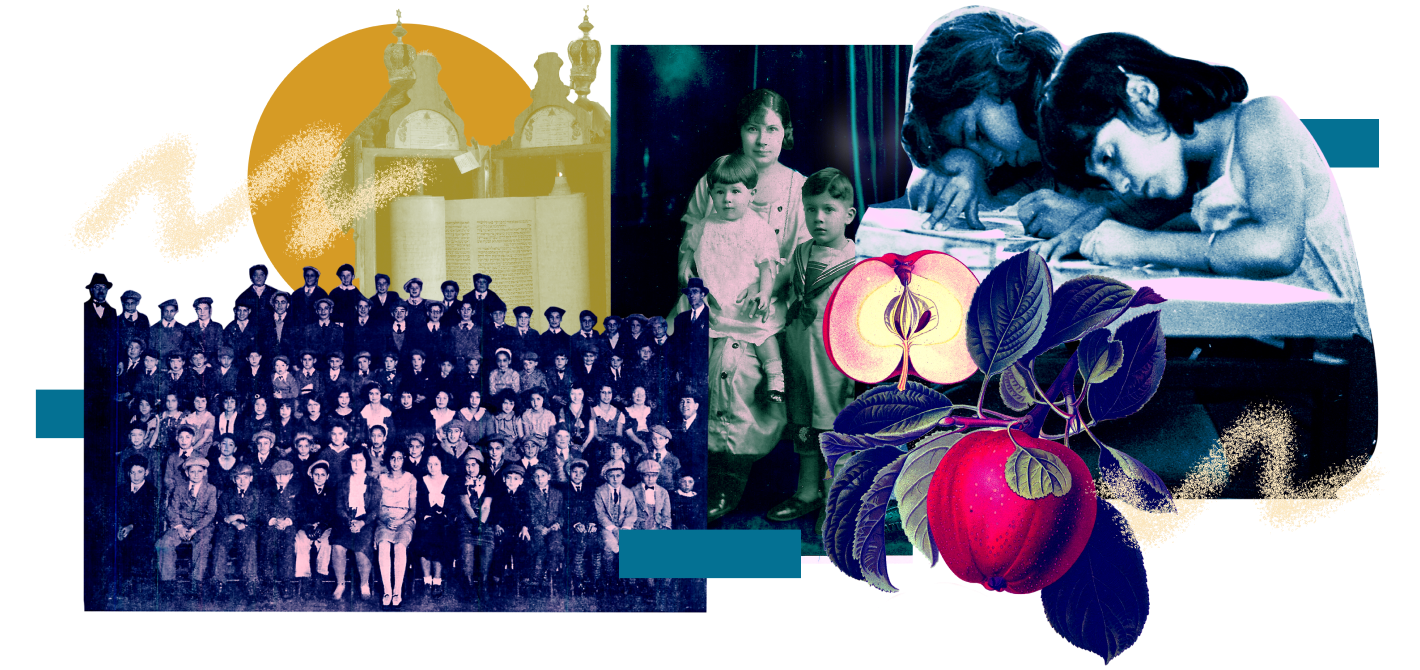
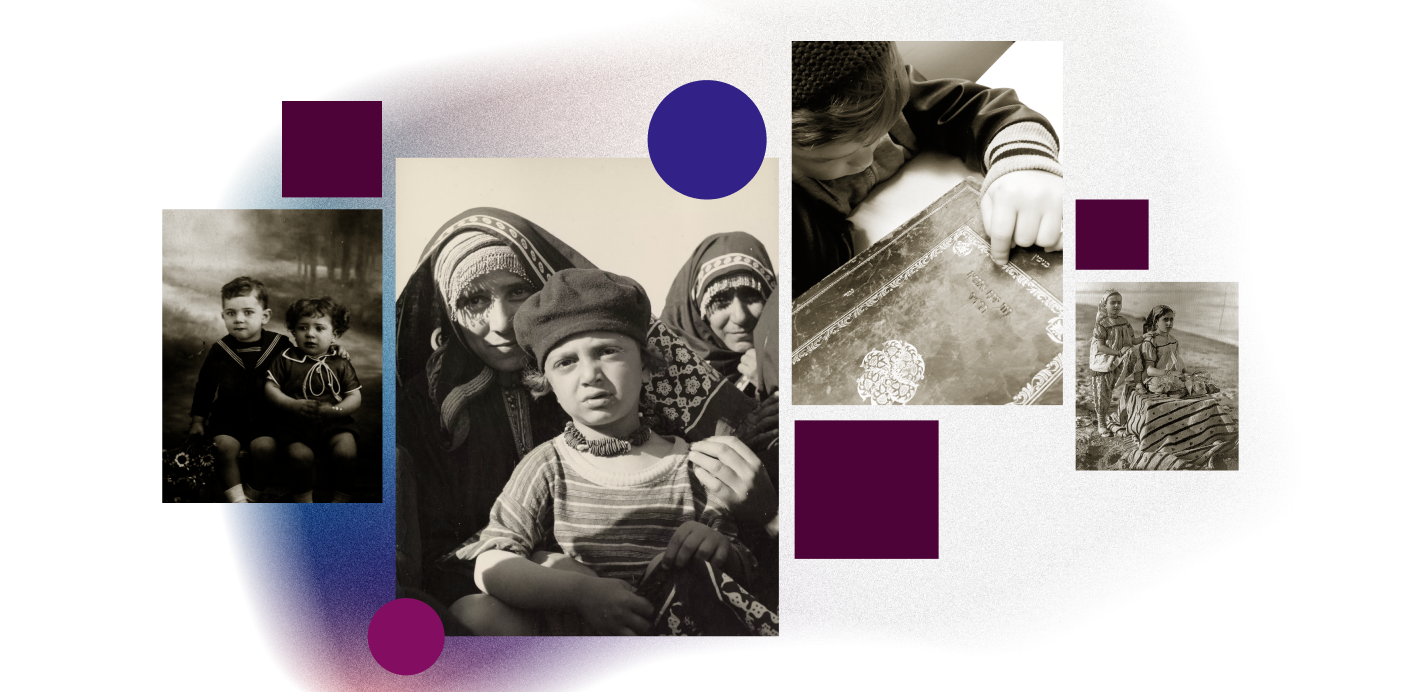
Our response begins with education: who Jews are, where we come from, what connects our communities, and how our histories have unfolded across the Middle East, North Africa, and the wider diaspora. We aim to help inoculate audiences against harmful portrayals of Jews by giving them the knowledge to recognize and challenge those distortions. Sephardic and Mizrahi experiences are not an exception to the Jewish story. They are essential to understanding it.
Jewish peoplehood cannot be reduced to religion and skin color, and Jewish history did not begin in Europe.
Defining antisemitism
Leading the call for the IHRA definition
Antisemitism cannot be confronted if it cannot be named. JIMENA has long been an outspoken advocate of the International Holocaust Remembrance Alliance (IHRA) Working Definition of Antisemitism, a non-legally binding tool that helps governments, schools, and institutions recognize anti-Jewish prejudice, including when it is expressed through hostility to Israel, while fully respecting free speech. After the October 7, 2023 attacks on Israel and the surge in antisemitism that followed, we accelerated those efforts.
California has no single, official definition of antisemitism, even as anti-Jewish hate crimes make up the majority of religion-based hate crimes in the state. That is why JIMENA has led a statewide coalition of Jewish organizations urging Governor Gavin Newsom to adopt the IHRA definition by executive order.
A national milestone
In 2023, Executive Director Sarah Levin took part in White House listening sessions that shaped the U.S. National Strategy to Counter Antisemitism. The strategy includes the IHRA definition and, for the first time, affirms that students should learn the histories of Sephardic and Mizrahi Jews and “their stories of exclusion, persecution, and expulsion.”
Read our statement on the National Strategy
Education
Education that addresses the roots of antisemitism
Our educational approach begins with Jewish life, not only with hatred of Jews. Through curricula, educator training, classroom resources, and firsthand accounts, JIMENA introduces audiences to Jewish identities, cultures, histories, and connections to the Middle East. Our goal is to build understanding before stereotypes and misinformation take hold, while equipping educators to recognize and respond to contemporary antisemitism.
This work also means challenging what schools teach and what they leave out. JIMENA advocates for accurate Jewish representation in public education, including ethnic studies, and opposes curricula that erase Jewish origins or present Jews exclusively through an oppressor-versus-oppressed framework. In 2021, California’s State Board of Education unanimously approved JIMENA’s lesson, “Antisemitism and Jewish Middle Eastern-Americans,” for its Ethnic Studies Model Curriculum. We have since pressed the state to make antisemitism a real priority in its Antibias Education Grant Program, and called for a federal review of the California Subject Matter Project. Our education advocacy and our efforts to combat antisemitism are inseparable.
International advocacy
Confronting antisemitism at the United Nations
JIMENA’s work at the United Nations challenges the exclusion of Jewish experiences from international human rights discussions. Through testimony, documentation, and advocacy, we seek recognition of the persecution, dispossession, and displacement of Jewish communities from the Middle East and North Africa, and of the rights that remain unresolved.
In 2022, JIMENA submitted hundreds of pages of Jewish refugee testimony to the UN Commission of Inquiry examining the Israeli-Palestinian conflict. Our submission challenged accounts that portray Israeli Jewish society as exclusively European while overlooking the experiences of Jews from the surrounding region. This work is not only about acknowledging past injustice. It is also about confronting the historical omissions that sustain antisemitism today and insisting that Jewish experiences belong within a universal commitment to human rights. Read about our submission.
Our voices
Bringing Sephardic and Mizrahi expertise to the fight
Sephardic and Mizrahi Jews must be heard not only as witnesses to past persecution, but as leaders shaping the response to antisemitism today. Through Distinctions Journal, op-eds, and public conversations, JIMENA brings forward perspectives informed by our communities’ experiences of displacement, minority life, identity, and resilience. The journal’s inaugural antisemitism issue centered Sephardic and Mizrahi women, with contributions from Ambassador Deborah Lipstadt, Sharon Nazarian, Tabby Refael, Rena Nasar First, and others whose leadership and personal histories offer essential insight into contemporary anti-Jewish hatred.
Across this work, our purpose is the same: to ensure that Jews are understood through our histories, voices, and lived experiences, not through the caricatures imposed on us.
Explore our work
Statements
Statements and Advocacy on Antisemitism →
Our communal statements, coalition letters, and policy positions challenging antisemitism, historical revisionism, and the exclusion of Sephardic and Mizrahi Jews from public discourse.
Education
Education Advocacy →
Our work to protect the integrity of Jewish history in education, from curriculum and educator training to the responsibility of schools to confront antisemitism rather than reproduce it.
Countering anti-Zionism
We Have Seen Anti-Zionism Before →
Why JIMENA speaks up against anti-Zionism, and how it was used against the Jews of the Middle East and North Africa.
Distinctions Journal
The Antisemitism Issue →
Sephardic and Mizrahi women leaders examine antisemitism through personal experience and professional expertise, from campus hostility to refugee histories.