The Jews of Sidon
From the ANU Museum of the Jewish People
The port city of Sidon, on Lebanon's southern coast, was home to Jews for some two thousand years. This entry from the ANU Museum of the Jewish People's online database traces the community from ancient times to its end during Lebanon's civil war.
Ancient and medieval Sidon
A small, lasting community
Jews lived in Sidon during the Second Temple period, and local tradition holds that the city's synagogue stands on the site of a much older one. When the traveler Benjamin of Tudela visited in 1175, he counted about 20 Jews, and in 1521 another visitor found about 20 Arabic speaking families with a small synagogue, earning their living in trade.
Ottoman times
Rabbis, trade, and growth
Under Ottoman rule, Sidon became a center of trade and attracted Jewish merchants and rabbis. When commerce shifted to Beirut, many Jews followed, but the community revived in the nineteenth century, taking in Jews from the Lebanese mountains and from Greece, Turkey, Iraq, and Syria. It reached a peak of about 780 people in 1895.
Community life
Schools, synagogues, and pilgrimage
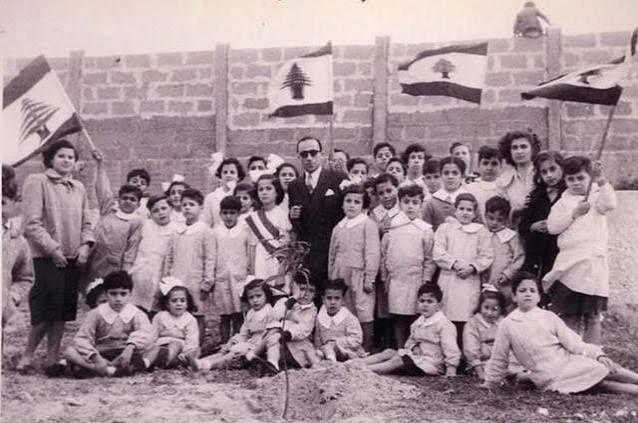
By the early twentieth century, Sidon had three synagogues, a school of the Alliance Israélite Universelle that opened in 1902, and a Hebrew school and kindergarten. Jews from across the region made pilgrimages to tombs in the Jewish cemetery, including one honored as the grave of Zebulun, son of Jacob.
The end of a community
War and departure
After 1948, about 200 of Sidon's Jews were expelled and lost their property, though some later returned. About 150 remained in 1968. The civil war that began in 1975 brought the community to an end, and its last family, the Halevys, who had lived in Sidon since the 1830s, left in the early 1980s. Since 2015, a Lebanese Jewish donor in New York has funded the restoration of the Jewish cemetery and its more than 300 graves.
Read the full entry at the ANU Museum of the Jewish People →
This summary was written by JIMENA and is based on the ANU Museum of the Jewish People's database entry on Sidon. The original entry belongs to ANU Museum.