Personal Stories
Uncover the hidden narratives and vibrant legacy of the Jewish community. Explore the personal journeys shared below.
Written Narratives
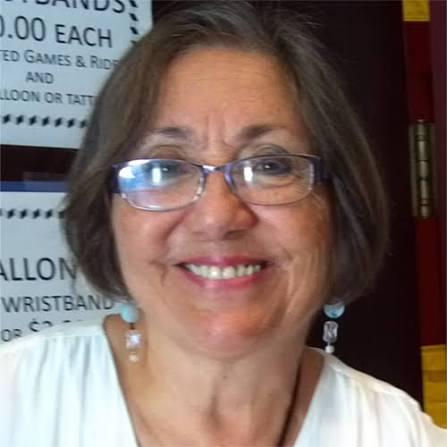
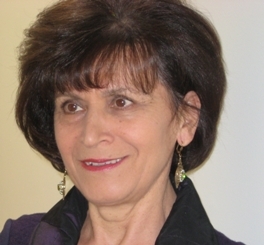
Pnina Meghnagi Solomon
Pnina Meghnagi Solomon: From Childhood in Tripoli to Exile
Originally published June 17, 2013
Pnina Meghnagi Solomon was born in Tripoli, Libya, in 1949. Her name, Pnina, means “precious stone” in Hebrew.
Pnina has fond memories of growing up in Tripoli, where she spent her childhood enjoying the warmth of the coastal city, surrounded by friends and family. Among her earliest memories are the many guests who came and went from her family home, gathering around two long tables covered with white tablecloths. These experiences instilled in her a lasting appreciation for family, hospitality, and community.
The Jewish neighborhood, known as the Hara, was located behind a castle overlooking Tripoli's walled city. Pnina's house stood near a white church, with her synagogue just down the block. Jewish religious life was deeply important to her family. Her mother descended from a long line of rabbis and religious court judges, known as dayanim, from the island of Djerba in Tunisia.
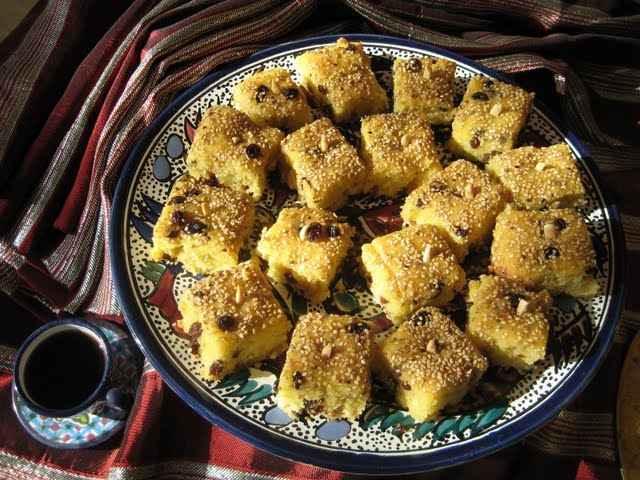
The family's Shabbat meals included couscous with chicken soup, spicy fish known as hraime, and mafrum, a traditional dish of potato slices stuffed with meat, fried, and simmered in sauce. Dessert always consisted of cakes and fruit.
Residents of Pnina's neighborhood generally lived together in harmony, regardless of their religious backgrounds. The neighborhood was home to Jews, Muslims, and Christians, including Italians, Egyptians, Libyans, and Maltese. This diversity fostered Pnina's friendships with Italian, Egyptian, and American neighbors, as well as the children of the local sheikh. Growing up in Tripoli, Pnina felt connected to a much wider world.
Despite this coexistence, Pnina recalls an underlying fear that she or her family could be harassed or attacked simply for being Jewish. During the anti-Jewish pogrom in Tripoli in November 1945, her uncle, Gabriel Meghnagi, was murdered at his doorstep. He was among an estimated 140 Jews killed during the violence.
This history of persecution contributed to a pervasive sense of vulnerability within the Jewish community. Jews generally avoided wearing jewelry bearing the Star of David or publicly displaying Jewish and Israeli symbols. They were treated as second-class citizens.
“The true Muslims who really knew the religion of Islam always had respect for the other,” Pnina recalls. “But, as Jews, we had a fear that there was a certain boundary we could never cross. We were called dhimmis, we were degraded, and we were always a step down from the Muslims.”
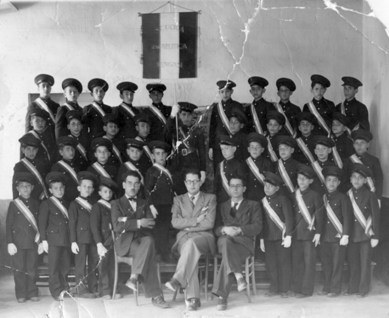
Although Zionist organizations were officially prohibited, some Jews, including Pnina, participated in the underground Bnei Akiva Zionist youth movement. She remembers learning the Hebrew Tu Bishvat song Tu Bishvat Higia in Tripoli, even though the movement was forbidden from displaying its flags.
The events that ultimately brought an end to Libya's Jewish community intensified in June 1967, with the outbreak of the Six-Day War between Israel and its Arab neighbors. At the time, Pnina was attending school and working part-time. One day, she was suddenly instructed to return home after the radio announced that war had broken out in Israel.
Violent mobs turned their anger toward Israel against their Jewish Libyan neighbors. Jewish homes and businesses were looted, burned, and destroyed, and innocent Jews were killed.
Pnina and her family were forced into hiding, relying on neighbors to bring them kosher food. One day, a crowd armed with machetes descended on their neighborhood searching for Jews. The local sheikh stepped into the street and told the mob, “Mafich Yehud,” meaning “There are no Jews here.”
His intervention caused the mob to leave, saving the lives of the Jews hiding throughout the neighborhood.
Pnina's mother, a widow raising her children alone, was terrified and uncertain about what to do. Pnina recalls that a local government official had previously warned her mother that the day would come when her throat would be cut.
Eventually, government jeeps arrived and presented Jewish residents with three choices: move into a police-run camp where the government would supposedly provide protection, remain in their homes at their own risk, or leave Libya and relinquish their citizenship.
For Pnina's mother, the safest choice was clear. The family would leave Libya.
Unlike many other Libyan Jews, Pnina's mother held a Tunisian passport. Anticipating that Jews might one day be forced to flee, she had recognized the importance of possessing foreign documentation.
On June 30, 1967, at 4:30 a.m., a government jeep arrived to take the family to the airport. Pnina remembers the unsettling experience of undergoing a full-body search before departure. Jewish refugees were permitted to take only one suitcase and 20 Libyan pounds.
Because Libya had been an Italian colony, Pnina and her family spoke Italian. Upon arriving in Italy, they were welcomed by Rome's organized Jewish community.
At the time, Italy hosted international refugee camps accommodating people fleeing communist countries, including Poland, Hungary, and Romania. Among the best-known camps were Latina and Capua. Pnina's family settled in Latina, where they received clothing and assistance finding employment.
Pnina had been studying English in Tripoli and was able to continue her lessons at the refugee camp. Gradually, the family began rebuilding their lives in Rome.
Before leaving their home in Tripoli, Pnina's mother washed the dishes and made the beds, even though she knew they would never return. The family left behind their furniture, toys, and nearly everything that had defined their former lives.
Pnina's Arabic teacher, who was also a close friend of her mother, visited as the family prepared to depart and offered to help in any way she could. Pnina's mother entrusted her with the family's silverware, hoping they might someday meet again.
Just one year later, the teacher's son traveled to Italy and returned the silverware to Pnina's family. Pnina continues to remember this gesture as an extraordinary act of kindness during a time of great darkness.
Despite such acts of compassion, Pnina mourns the loss of her family's belongings and the memories they represented. The Libyan government had frozen the bank accounts of departing Jews, leaving families with few resources to begin their lives elsewhere. For Pnina and her family, exile meant starting over with almost nothing.
Even more painful than the loss of their possessions was the destruction of Tripoli's Jewish cemetery. Pnina reflects that if the cemetery still existed, she would want to return to visit the graves of her father, grandparents, and generations of Libyan Jewish ancestors.
To her, the cemetery's destruction symbolizes the profound injustice of a community whose members were not only driven from their homeland but whose dead were also denied the dignity of resting undisturbed.
Leaving Libya also profoundly altered the structure of Pnina's family. As the eldest of five children, she had helped care for her younger siblings after their grandmother moved to Israel in 1951.
After the family's first year together in Italy, Pnina's mother decided that the older children would have better opportunities outside the refugee camp, while the younger children would move to Israel to live with their grandmother.
The separation created new cultural and linguistic divisions within the family. The older children learned Italian but not Hebrew, while the younger children learned Hebrew but not Italian. To bridge this divide, the siblings communicated in Judeo-Arabic, the language that connected them to their shared childhood and family heritage.
Through memories of family gatherings, religious traditions, neighbors who risked their lives to protect Jews, and the painful experience of displacement, Pnina's testimony captures both the richness of Jewish life in Libya and the enduring consequences of its destruction.
Timeline of Jewish Presence