Hide and Seek: Three Girls in the Giado Concentration Camp in Libya
From Oxford Academic
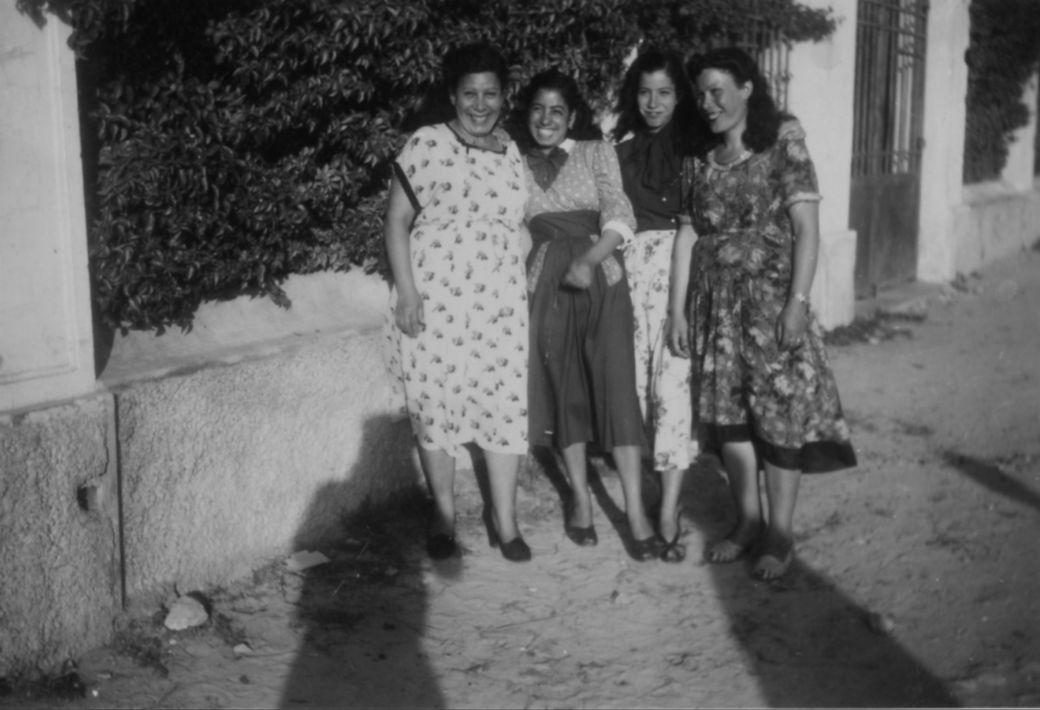
In this chapter from No Small Matter: Features of Jewish Childhood (2021), the scholar Nava T. Barazani tells the story of three Jewish girls held in the Giado concentration camp in Libya in 1942 and 1943, and of how children lived through one of the darkest chapters in the history of Libya's Jews.
The camp
Giado
In February 1942, Mussolini ordered the Jews of Cyrenaica, in eastern Libya, removed from the war zone. About 2,600 of them, including women and children, were sent to Giado, a former military post about 150 miles south of Tripoli, where prisoners were forced to work in harsh desert conditions.
Typhus
A deadly outbreak
Barazani focuses on the typhus epidemic that broke out in Giado in December 1942, the main cause of death in the camp. Hunger, exhaustion, and disease killed about 600 people before British forces liberated the camp in early 1943.
Childhood
Hide and seek
Through the experiences of three girls, the chapter explores what childhood meant inside the camp, and how memories of Giado have been carried by survivors and their families ever since.
Read the chapter abstract at Oxford Academic →
This summary was written by JIMENA and is based on “Hide and Seek: The Tale of Three Girls in the Giado Concentration Camp in Libya (1942 to 1943)” by Nava T. Barazani, in No Small Matter: Features of Jewish Childhood (Oxford University Press, 2021), with additional background from the United States Holocaust Memorial Museum and the National Library of Israel.