Kosher Soup for Ramadan and Other Tales of My Mother's Moroccan Childhood
While researching a novel with a Muslim character, the writer Ruchama King Feuerman began asking her mother about growing up Jewish in Casablanca. In this 2013 essay, she shares the stories that came pouring out.
Soup for Ramadan
A grandmother's kindness
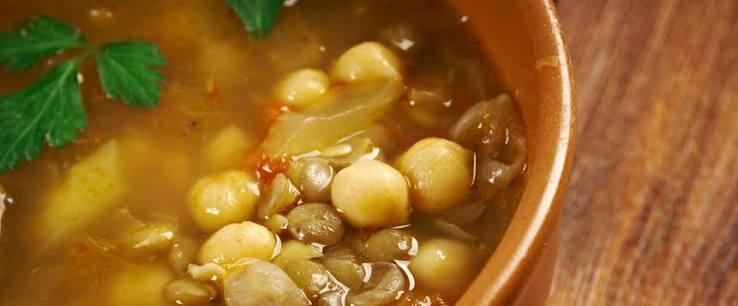
Every day during Ramadan, Feuerman's grandmother Estrella cooked a big pot of harira, the hearty Moroccan soup of lentils, chickpeas, and tomatoes. Her daughter carried it to a Muslim woman who cleaned homes and lived in a basement in the French quarter, so she could break her fast. To keep the pot kosher, it was wiped clean only with paper and returned the next morning.
A family in Casablanca
Work and neighbors
Estrella sewed for the royal palace, and Feuerman's grandfather Emil ran a barbershop. One grateful customer, a prominent local official, sent the family seven live chickens before Yom Kippur so they could perform the kapparot ritual.
Why it matters
Stories into fiction
These everyday acts of kindness between Jewish and Muslim neighbors inspired the themes of Feuerman's novel In the Courtyard of the Kabbalist, and gave her and her mother, who now lives in Israel, a new way to share the past.
Read the full essay at the Jewish Book Council →
This summary was written by JIMENA and is based on “Kosher Soup for Ramadan & Other Tales of My Mother's Moroccan Childhood” by Ruchama King Feuerman, published by the Jewish Book Council's PB Daily (October 28, 2013). The original essay belongs to its author and the Jewish Book Council.