Suleika and Me
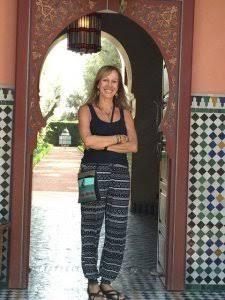
From Lilith Magazine
Suleika, also known as Sol Hachuel, was a Jewish girl from Tangier who was executed in Fez in 1834, at about 17, after refusing to give up her faith. Her tomb in the Jewish cemetery of Fez is still visited today. In this 1997 piece, the Moroccan born writer Ruth Knafo Setton, author of the novel Suleika, explores the legend and her own pull toward it.
The legend
Many versions of one girl
More than 300 versions of Suleika's story exist, told by Jews, Muslims, and Christians. In most, she was accused of having converted to Islam and then returning to Judaism. Brought before the sultan in Fez, she was urged, even by the city's chief rabbi, to accept Islam outwardly to save her life. She refused and was executed. Some tellers made her a saint, others a victim, a rebel, or a romantic heroine.
Her tomb
Visited by many
Jewish women have long prayed at Suleika's grave, especially for children and for help with women's concerns, and Muslim women have brought offerings there too. Legends grew up around her death, of a dove flying overhead and of the sultan being healed at her tomb.
The writer
Searching for a lost life
Setton left Morocco as a small child when her family moved to the United States. She visited Suleika's tomb in 1981 while pregnant and describes the visit as almost mystical. Through Suleika's story, she reflects on exile, on what it means to be a Jewish woman between worlds, and on the girl she might have become had her family stayed.
Read the full piece at Lilith Magazine →
This summary was written by JIMENA and is based on “Suleika and Me” by Ruth Knafo Setton, published by Lilith Magazine (Winter 1997 to 1998). The original piece belongs to its author and Lilith Magazine.