Queen of the Desert: The Story of Dihya al-Kahina (ANU Museum)
By https://anumuseum.org.il/blog/dihya-al-kahina/
From the ANU Museum of the Jewish People
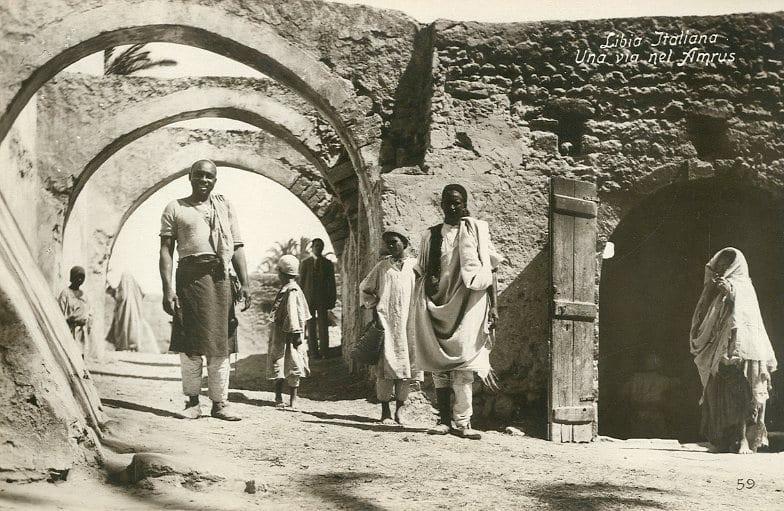
More than thirteen hundred years ago, a woman from the Aurès Mountains of today's Algeria led the last great resistance to the Arab conquest of North Africa. Her name was Dihya, though history remembers her by the title her enemies gave her: al Kahina, the prophetess. For centuries, North African Jews told her story as one of their own.
Who she was
A queen of the Aurès
Dihya lived in the second half of the seventh century among the Amazigh (Berber) tribes of the Aurès, a mountain range in northeastern Algeria. After the death of the Amazigh leader Kusaila in battle in the late 680s, she became the leader of the tribes that continued to resist the advancing Umayyad armies. The Arabic name al Kahina means a seer or prophetess, and stories credited her with the power to foresee the future.
The resistance
Holding back an empire
Around 698, after the Umayyad general Hassan ibn al Nu'man captured Carthage, Dihya's forces defeated his army and drove it back toward Libya. For several years she ruled much of the region. According to later Arab historians, she ordered a scorched earth campaign, destroying towns and orchards so that the land would hold nothing worth conquering, though some scholars believe this account was exaggerated or attributed to her later. When Hassan returned with a larger army, around 702, she was defeated and killed, and North Africa came under Arab rule.
Was she Jewish?
A question historians still debate
The idea that Dihya was Jewish comes mainly from the fourteenth century historian Ibn Khaldun, who wrote that her tribe, the Jarawa, practiced Judaism. Other accounts describe her as Christian, or as a follower of traditional Amazigh beliefs, and there is no record from her own time that settles the question. What is certain is that Jewish communities lived across North Africa long before the Arab conquest, and that Jews in the Maghreb kept her memory alive as a heroine of their region.
Legacy
Many peoples, one heroine
Dihya's story has been claimed by many: Amazigh communities see her as a symbol of their identity and independence, Algerians as a national heroine, feminists as a woman who led armies, and North African Jews as a reminder of their ancient roots in the land. A statue of her stands in Baghai, in Algeria's Khenchela province. Her story shows how deeply Jewish history is woven into the history of North Africa itself.
Read the full story at the ANU Museum of the Jewish People →
This summary was written by JIMENA and is based on "Queen of the Desert" by the ANU Museum of the Jewish People, with additional historical background. Images and the original article belong to ANU Museum.