Jewish History
Explore the History of the Jews of Iran
The story of the Jews of Iran begins in the Bible, with Cyrus the Great, Queen Esther, and the prophet Daniel. For more than two and a half thousand years, Jews lived in cities from Hamadan and Isfahan to Shiraz and Tehran, speaking Persian and Judeo Persian dialects and building one of the oldest continuous Jewish communities in the world.
2,500+ years since the days of Cyrus the Great | 60,000 to 80,000 Jews in Iran before the 1979 revolution | 9,000 to 10,000 Jews who remain in Iran today |
Ancient roots
Cyrus, Esther, and Daniel
After the Babylonians destroyed Jerusalem in 586 BCE, Jews were exiled to Babylonia. In 539 BCE, the Persian king Cyrus the Great conquered Babylon and allowed the exiles to return and rebuild the Temple. Many chose to stay, forming communities across the Persian Empire.
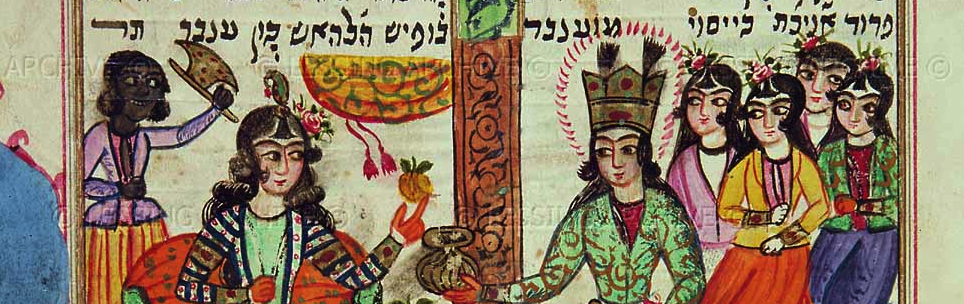
The Book of Esther, read every year on Purim, is set in the Persian capital of Shushan. Tombs honored as those of Esther and Mordechai in Hamadan, and of the prophet Daniel in Susa, are still places of pilgrimage.
Under Islam
Centuries of tolerance and persecution
After the Arab conquest in the 640s, Jews lived as dhimmis, protected but unequal, and paid a special tax. At various times they were forced to wear distinguishing clothing or badges. In the fourteenth century, the poet Shahin wrote epic retellings of the Bible in Judeo Persian, Persian written in Hebrew letters.
Under the Safavid dynasty, which made Shia Islam the state religion in the 1500s, Jews were considered ritually impure and suffered forced conversions, especially in the 1650s. In 1839, under the Qajar dynasty, the entire Jewish community of Mashhad was forced to convert; many kept Judaism in secret for generations.
Toward equality
1906 to 1979
The Constitutional Revolution of 1906 opened the way to legal equality and, soon after, a Jewish seat in parliament, and schools of the Alliance Israélite Universelle opened across the country. Under the Pahlavi shahs, especially after 1941, Jews moved into the middle class and the professions, and the community grew to about 60,000 to 80,000 people by the 1970s.
Revolution
1979 and after
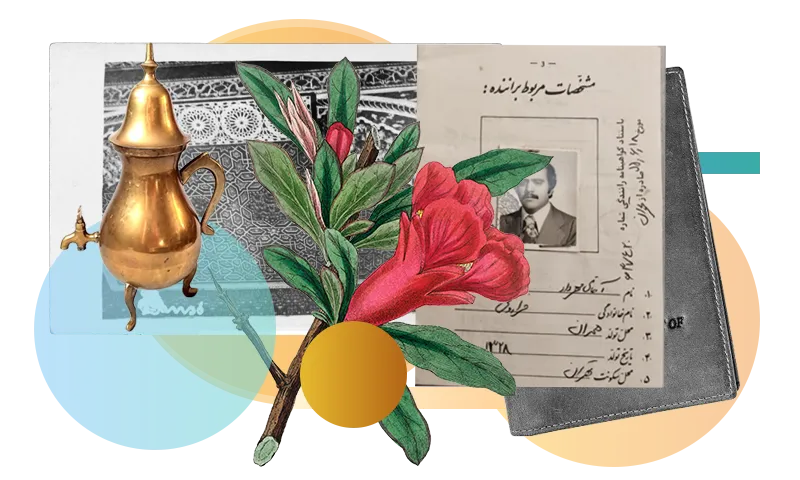
The Islamic Revolution of 1979 changed everything. In May 1979, the community leader and businessman Habib Elghanian was executed on charges that included ties to Israel, and many Jews fled, often secretly over the mountains into Pakistan or Turkey. Large communities formed in Los Angeles, New York, and Israel.
The Islamic Republic recognizes Jews as a religious minority with one seat in parliament, and synagogues remain open. But Jews live under close watch and strict limits, and accusations of spying for Israel, such as the arrest of thirteen Jews in Shiraz in 1999, have put the community in danger.
Today
A community that remains
Iran's 2016 census counted about 9,800 Jews, still one of the largest Jewish communities in the Middle East outside Israel. Most live in Tehran, Isfahan, and Shiraz.
Living heritage
Iranian Jewish culture today
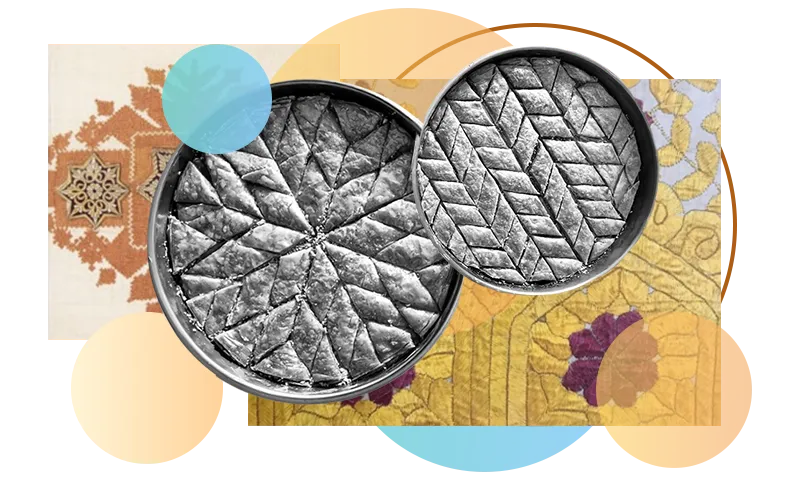
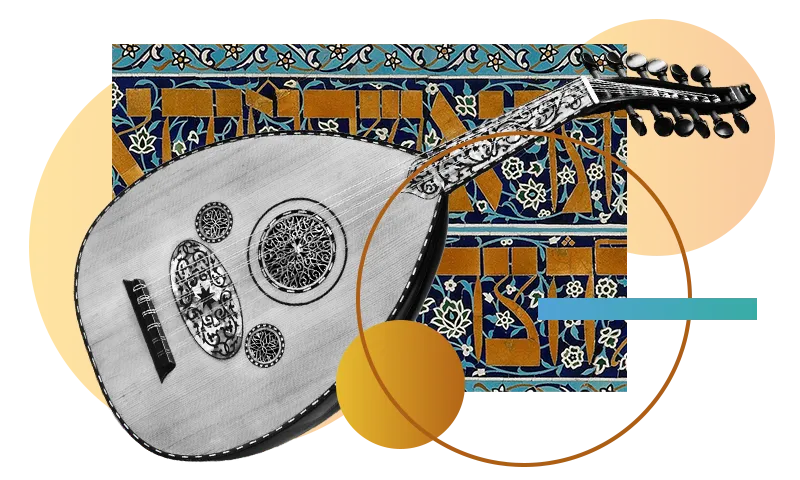
Iranian Jews carry a culture that is both deeply Persian and deeply Jewish: Nowruz celebrated alongside Passover, dishes like gondi, fesenjan, and crispy rice called tahdig, the poetry of Hafez and of Shahin, and the classical music of Jewish masters such as the tar player Morteza Neydavoud.
Explore further
Keep exploring
Timeline of Jewish Presence → Key dates in the history of the Jews of Iran, at a glance. |
Policies, laws, and decrees → The laws that shaped the rights and lives of Jews in Iran. |
Oral histories from Iran → Watch Iranian Jews tell their own stories. |
Iranian Jewish culture → Languages, music, food, and traditions. |
Iranian Jewish recipes → Dishes for Shabbat, holidays, and every day, and the stories behind them. |
Books on the Jews of Iran → Histories, memoirs, novels, and children's books in JIMENA's library. |
For the classroom
Questions to discuss
- Why does the story of Queen Esther have special meaning for Iranian Jews?
- How did the 1979 revolution change life for Jews in Iran?
- Iranian Jews have built large communities in Los Angeles and Israel. How do they keep both Persian and Jewish traditions alive?
Sources: History of the Jews in Iran; Exodus of Iranian Jews; Habib Elghanian.