A Cultural Journey Through Time
Culture
The Traditions of the Jews of Iran
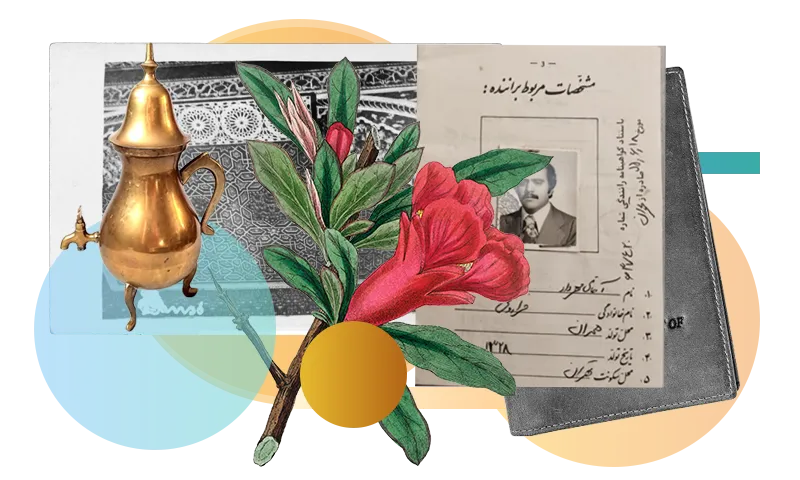
Iranian Jewish culture is both deeply Persian and deeply Jewish. Families spoke Persian and local Judeo Persian dialects, read the poetry of Hafez and Saadi, and celebrated Nowruz, the Persian New Year, alongside Jewish holidays. Purim, with its story of Queen Esther in Shushan, has special meaning for a community that calls itself the children of Esther.
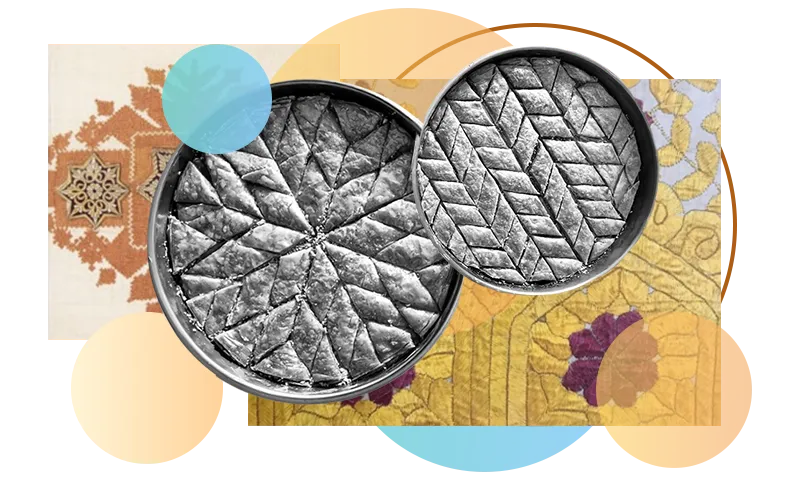
Jewish musicians, such as the tar master Morteza Neydavoud, helped preserve Persian classical music. At home, Shabbat meant gondi, chickpea and chicken dumplings, along with herb filled stews, fragrant rice, and crispy tahdig.
After the 1979 revolution, most Iranian Jews left. Today large and active communities in Los Angeles, Israel, and New York keep these traditions alive, while about 9,000 to 10,000 Jews remain in Iran. JIMENA's Jewish Iranian Resource Guide and oral histories help educators share this story.
Explore further
Keep exploring
Key dates in the history of the Jews of Iran, at a glance. |
The story of the Jews of Iran, from ancient times to today. |
Watch Iranian Jews tell their own stories. |
Dishes for Shabbat, holidays, and every day, and the stories behind them. |
Histories, memoirs, novels, and children's books in JIMENA's library. |
Policies
Timeline of Jewish Presence