Personal Stories
Uncover the hidden narratives and vibrant legacy of the Jewish community. Explore the personal journeys shared below.
Written Narratives
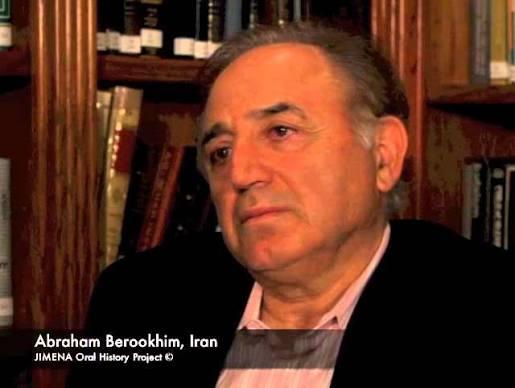
Abraham Berookhim: From Iran to Exile
Abraham Berookhim was born in Tehran, Iran, in 1948 to a traditional Jewish family whose history traces back to the Babylonian exile. His grandfather was educated through the Alliance Israélite Universelle and eventually opened a bookstore. Recognizing the lack of translation dictionaries, he financed the publication of three major dictionaries translating Farsi into English, Hebrew, and French. These dictionaries were used throughout Iran, helping establish the prominence of the Berookhim family name.
Several years later, Abraham's grandfather opened luxury hotels, including the Sinai and Royal Gardens Hotel. Their names reflected the family's Jewish identity, and the grand ballroom was made available for Jewish weddings. As the family's reputation grew, the Berookhims remained influential and philanthropic members of the Jewish community.
Despite the Berookhim family's wealth and prominence, Abraham's childhood memories of Iran are marked by antisemitic discrimination. Some Muslims viewed his family's success with resentment, and unfounded rumors about Jews were commonplace. Abraham recalls hearing religious leaders preach that Jews should either convert to Islam or be killed.
Abraham personally experienced antisemitism on a regular basis. Even at his family's hotels, Muslim kitchen staff sometimes tormented him, insisting that if he intended to inherit the hotel, he would first have to become Muslim. Only then, they claimed, would they agree to eat from his plates. Eventually, Abraham resorted to telling them that he had converted to Islam. The deception worked, and from that point forward, the employees treated him with kindness.
The period leading up to the Iranian Revolution and the rise of Ayatollah Khomeini's Islamic Republic brought an alarming escalation of antisemitism. Abraham was deeply shaken by the arrest of his uncle, Ebrahim Berookhim, who was falsely accused of spying for the United States. In 1979, his uncle was executed without a trial.
The Berookhim family demanded an explanation for his execution, but Iranian authorities maintained that they had intended to arrest and execute someone else. The family, however, believed that his killing was meant to send a message to the wider Jewish community. Adding to their anguish, prison guards reportedly demanded compensation for the cost of the bullet used in the execution.
One day, while Abraham was at the hotel, he received a telephone call from a Muslim employee who believed that Abraham had converted to Islam. The employee urgently warned him to flee for his safety. Abraham was told that the hotel would be taken over by the Iranian state, severing its Jewish and Zionist affiliations.
Abraham heeded the warning and escaped. Looking back, he believes that had the employees known he was still Jewish, they would have allowed the authorities to capture him. In a remarkable twist of fate, the false belief that he had converted to Islam may have saved his life.
Abraham was already in hiding when the Iran hostage crisis began in late 1979, following the seizure of the American Embassy in Tehran. During the crisis, six American diplomats escaped and eventually found refuge with Canadian diplomats.
Abraham recalls receiving a call from representatives of the U.S. government, who knew how to contact him through his previous hotel dealings. They requested that he provide food and support to the Americans in hiding. Despite the danger, Abraham drove to his hotels' kitchens, filled his car with food, and personally delivered supplies to the hidden Americans.
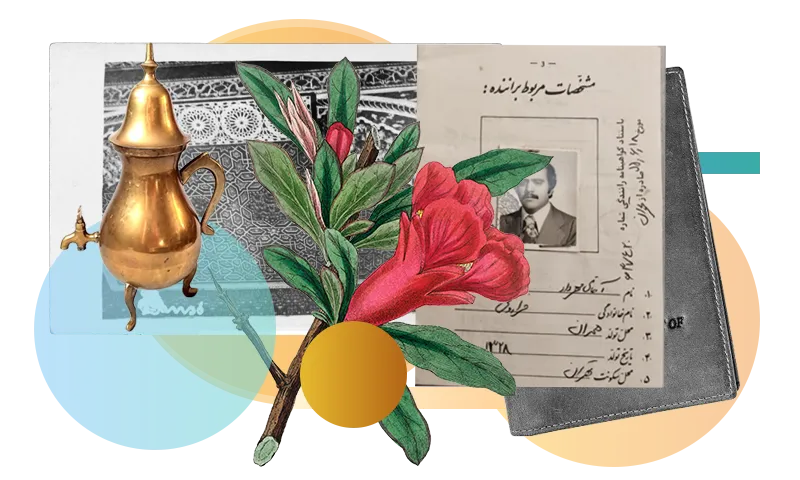
Abraham's eventual departure from Iran was fraught with danger and heartbreak. He was forced to leave behind his wife, newborn son, and nearly all his possessions. Traveling with an empty suitcase, a false passport identifying him as Muslim, and a disguise intended to make him appear Turkish, Abraham concealed his identity to escape the country.
As soon as his plane crossed Iran's borders, he removed his disguise and embraced his newfound freedom.
Abraham initially stayed with his Japanese business partner before moving to Israel, where he arrived with virtually no money. Four months later, his wife and son were finally able to join him. He eventually settled in Los Angeles, where he slowly rebuilt his life by selling radios before returning to the restaurant industry.
Today, Abraham says he would like to return to Iran to visit the bodyguards and friends who helped save his life, as well as the hotels he and his family worked so hard to establish.
The loss of his family's hard-earned fortune remains painful, as does the absence of compensation or a formal apology for his uncle's execution. Yet Abraham recognizes that his family's experiences are part of a much larger history of persecution, dispossession, and displacement endured by Iranian Jews.
Timeline of Jewish Presence