How Iranian Jewish Women Started a Writers' Revolution, Benjamin Ivry
From the Forward
In the decades since the 1979 revolution, Iranian Jewish women have written some of the most powerful accounts of their community's life and departure. In this Forward article, the critic Benjamin Ivry looks at their work through The Jews of Iran, a collection of essays edited by the historian Houman Sarshar.
Why it matters
Memory as history
About 80,000 Jews lived in Iran at the time of the revolution, and most have since left. Because so much of the community's history was never written down, and because some stories ended with no survivors to tell them, Ivry argues that memoirs and novels have become essential records of Iranian Jewish life.
The memoirs
Shiraz and Tehran
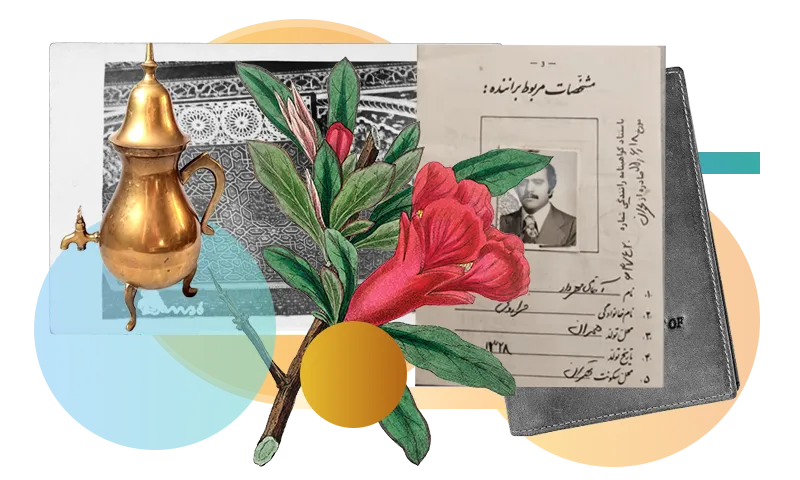
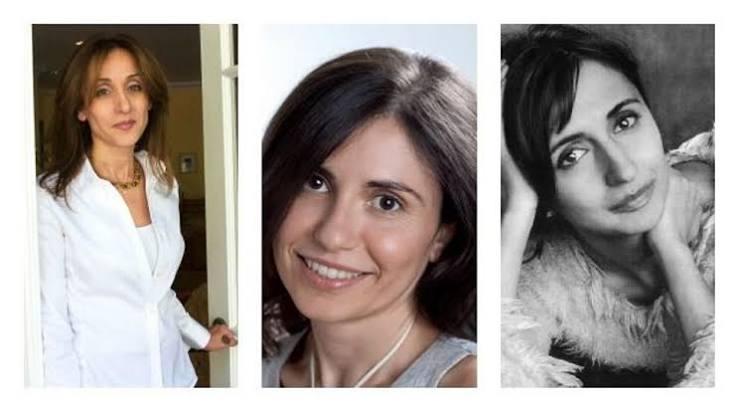
Farideh Goldin's Wedding Song: Memoirs of an Iranian Jewish Woman (2004) describes growing up in the Jewish quarter of Shiraz, where families spoke Judeo Persian, and her struggle to study in the United States. Roya Hakakian's Journey from the Land of No (2004) recalls a more cosmopolitan childhood in Tehran, the discrimination that followed the revolution, and her family's departure in 1984.
The novels
Fiction as witness
Gina B. Nahai's Cry of the Peacock (1991) follows generations of Iranian Jewish women across centuries of history. Dalia Sofer's The Septembers of Shiraz (2007), inspired by her father's imprisonment, tells of a Jewish gem dealer arrested in Tehran in 1981. Scholars in the collection read these novels as alternative histories that preserve the past while looking toward the community's future.
Read the full article at the Forward →
This summary was written by JIMENA and is based on “How Iranian Jewish Women Started a Writers' Revolution” by Benjamin Ivry, published by the Forward, which discusses The Jews of Iran, edited by Houman Sarshar (I.B. Tauris). The original article belongs to the Forward.