The Refugee's Internal Exile, Roya Hakakian
From The New York Review of Books
When the writer Roya Hakakian received a link to an online archive of photographs from Tehran's Jewish cemetery, she found the headstone of her grandfather, Khodadad Hakakian, who died in 1969, years before she could know him. In this personal essay, she reflects on what it means for a family to leave its homeland behind.
What remains
Gravestones as evidence
After the 1979 revolution, the Hakakian family left Iran for the United States. Their home in Tehran has since been torn down, and the Jewish neighborhood around it has disappeared. Hakakian writes that the graves of her grandparents are among the last proof that her family lived there at all, and that burying your dead in a place is part of what makes it home.
Her father
A poet in Queens
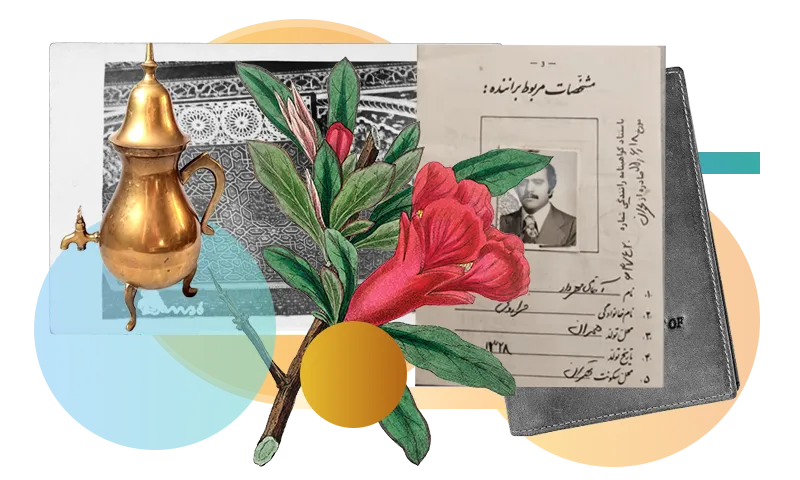
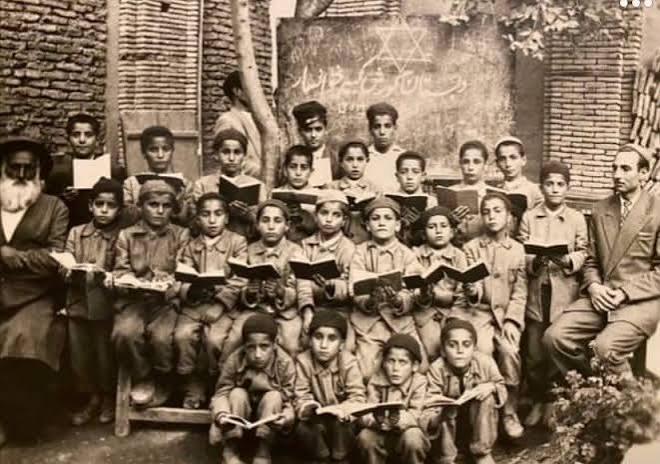
In New York, her father, who had once taught Hebrew school in his home village of Khonsar, spent his afternoons writing poems about Tehran and reciting them with fellow Iranian émigrés. He never fully settled in America. His apartment, filled with Persian and Jewish objects, felt to his daughter like a piece of Tehran, and it helped her, as a young woman, accept that she could be both Iranian and American.
Memory as duty
Guarding the past
Hakakian comes to see her father's difficulty adjusting as a kind of loyalty: in exile, and under a government that erases the past, someone has to guard a family's memories. After he died in 2017 and was buried in the United States, she writes, she finally felt rooted in her new country, while the graves in Tehran remind her that some bonds outlast leaving and even death.
Read the full essay at The New York Review of Books →
This summary was written by JIMENA and is based on “The Refugee's Internal Exile” by Roya Hakakian, published by The New York Review of Books (March 20, 2022). The original essay belongs to its author and The New York Review of Books.