To Be an Iranian Jewish Bride, Saba Soomekh
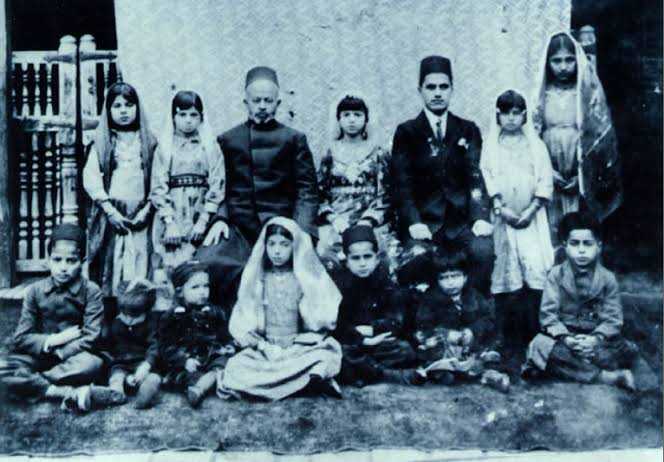
From 100 Years of Sephardic Los Angeles
Weddings have always been one of the main ways Iranian Jews passed on their culture. In this essay from UCLA's 100 Years of Sephardic Los Angeles project, the scholar Saba Soomekh follows Iranian Jewish wedding traditions across three generations: in Qajar Iran, in the modernizing Iran of the Pahlavi shahs, and in Los Angeles today.
Before 1925
Matches, jewelry, and protection
Under the Qajar dynasty, families arranged marriages based on wealth and standing, and brides were often very young. In Mashhad, some families even arranged engagements for newborns. Wedding customs focused on blessings for fertility and prosperity and on protection from the evil eye, and a bride's jewelry served both as decoration and as a protective charm.
The henna ceremony
Henna bandon
At the henna bandon, the women of the family gathered at the bride's home. Henna was applied to the bride's hair and to the hands of the women present, and wild rue seeds, called esphand, were burned so the bride could breathe in the smoke for protection. An older woman of the family offered blessings, circling her hand over the bride's head three times. Many Iranian Jewish women still practice parts of this ritual today.
The Pahlavi years
A changing world
Between 1925 and 1979, as Iran modernized, the bride's visit to the public bathhouse before the wedding became a gathering for women from both families. More women chose their own husbands, married later, and set up their own homes. Wealthier families held lavish weddings with Western style gowns, while most couples continued to marry within the Jewish community and keep kosher homes.
Los Angeles
Old customs, new home
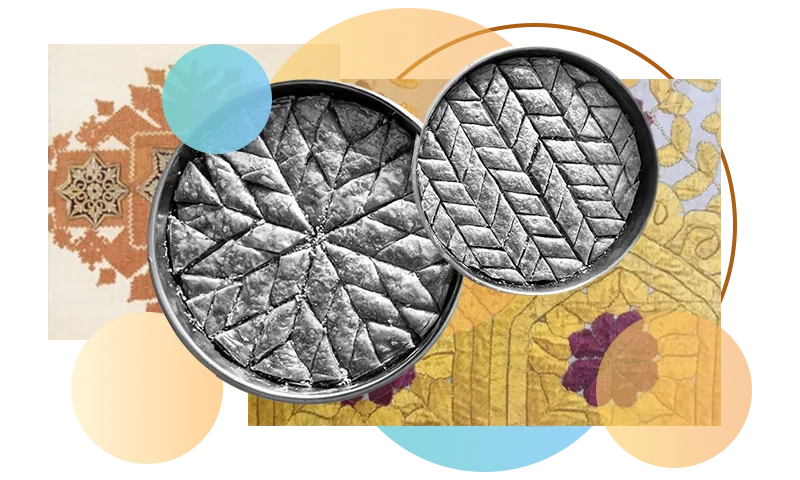
In Los Angeles, Iranian Jewish weddings have grown into a series of celebrations. At the shirini khoran, the bride's family brings sweets to the groom's family to accept the proposal, and the henna bandon often takes place at the engagement party. Many brides now visit the mikveh before the wedding, couples hold separate parties to sign the ketubah, and guest lists are famously long.
Read the full essay at 100 Years of Sephardic Los Angeles →
This summary was written by JIMENA and is based on “To Be an Iranian Jewish Bride” by Saba Soomekh, from 100 Years of Sephardic Los Angeles, edited by Sarah Abrevaya Stein and Caroline Luce (UCLA Alan D. Leve Center for Jewish Studies, 2020). The original essay belongs to its author and publishers.