Judean Life in Babylonia: Clay Tablets from the Exile
From TheTorah.com
What was life like for the Judeans exiled to Babylon in the sixth century BCE? For a long time, the Bible was almost the only source. In this article, Laurie Pearce, a scholar of Akkadian at the University of California, Berkeley, shows how clay tablets from ancient Iraq are filling in the picture.
Judahtown
A town of exiles
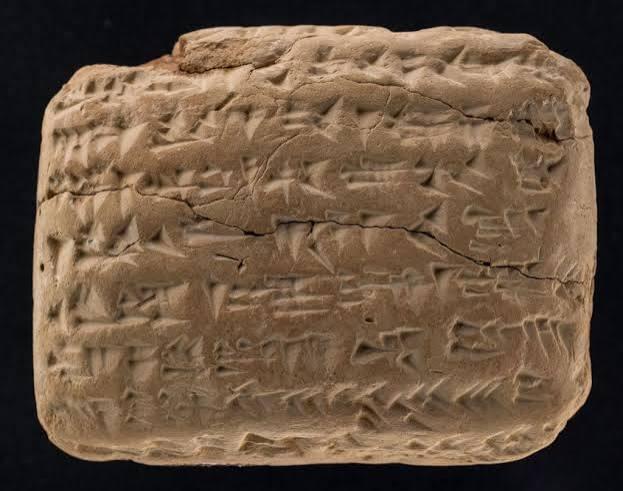
Babylonian scribes wrote on clay tablets in cuneiform, and clay survives where papyrus and parchment rot away. Among the tablets are records from a settlement the Babylonians called āl Yāhūdu, “the town of Judah” or Judahtown, where deported Judeans lived. Scholars identify Judeans in the records by their names, many of which include a form of God's name, such as Shelemyahu.
What the tablets show
Debts, deals, and a wedding
One tablet, a loan of barley dated to 549 BCE, has the borrower's name scratched on its edge in the old Hebrew script, a sign that some exiles still read and wrote Hebrew. Another records a marriage arranged in Judahtown early in the reign of the Persian king Cyrus. It follows the standard Babylonian form but includes phrases also found in later Jewish marriage documents from Egypt.
Why it matters
Keeping identity in a new land
Together, the tablets show Judeans taking part in Babylonian economic life while keeping their names, their script, and some of their customs. They are the earliest records of the community that, over the next two and a half thousand years, would become the Jews of Iraq.
Read the full article at TheTorah.com →
This summary was written by JIMENA and is based on “Judean Life in Babylonia” by Laurie Pearce, published by TheTorah.com (July 19, 2018). The original article belongs to TheTorah.com.