Jewish History
Explore the History of the Jews of Iraq
Long before there was an Iraq, there were the Jews of Babylon. For more than two and a half thousand years, Jews lived between the Tigris and Euphrates, creating the Babylonian Talmud, leading the Jewish world for centuries, and helping build modern Baghdad. Within a decade of the Farhud of 1941, nearly the entire community was gone.
2,500+ years since the Babylonian exile | About 1 in 3 people in early twentieth century Baghdad were Jewish | 120,000 to 130,000 Jews who left in 1950 to 1952 |
Ancient roots
By the rivers of Babylon
In 597 and 586 BCE, the Babylonian king Nebuchadnezzar conquered Judah and exiled thousands of Jews to Babylonia. When the Persian king Cyrus allowed them to return, many stayed. Babylonia became a lasting center of Jewish life.
From the third to the eleventh centuries, the great academies of Sura and Pumbedita led the Jewish world. Scholars there produced the Babylonian Talmud, still at the heart of Jewish learning, and later leaders known as the Geonim, such as Saadia Gaon, answered questions from Jewish communities as far away as Spain.
Under many empires
Caliphs, Mongols, and Ottomans
After the Arab conquest in the 630s, Jews lived as dhimmis, protected but unequal, and paid a special tax. Baghdad, founded in 762, became the capital of the Abbasid caliphate and home to a large Jewish community led by the Exilarch, or head of the exile. Iraq later came under the Seljuk Turks, the Mongols, who sacked Baghdad in 1258, and from 1534 the Ottoman Empire.
Modern Baghdad
A city one third Jewish
In the nineteenth and early twentieth centuries, Baghdad's Jewish community flourished. Jewish merchant families traded from India to Manchester, the Alliance Israélite Universelle opened modern schools, and the revered rabbi Yosef Hayyim, known as the Ben Ish Hai, led the community. By the early twentieth century, Jews made up about a third of the city's population.
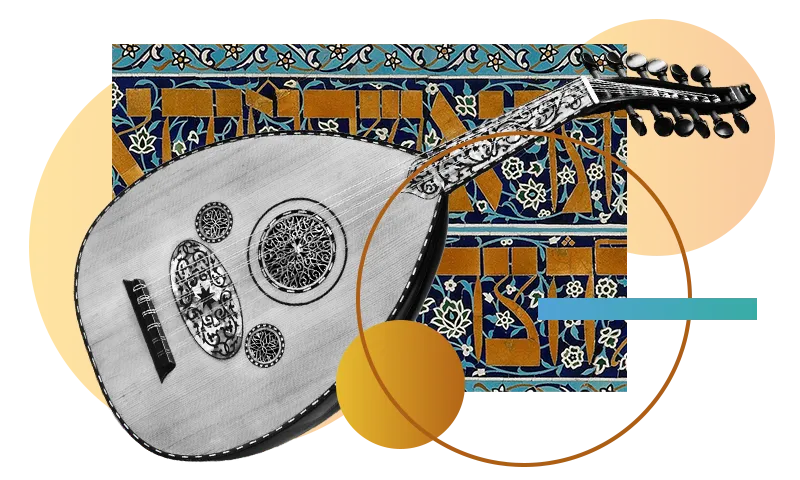
Under the British Mandate and the new Kingdom of Iraq, Jews helped build the country. Sassoon Eskell was Iraq's first minister of finance, and Jewish musicians such as the brothers Salih and Daoud al Kuwaiti shaped Iraqi music and founded the radio orchestra.
The Farhud
June 1 and 2, 1941
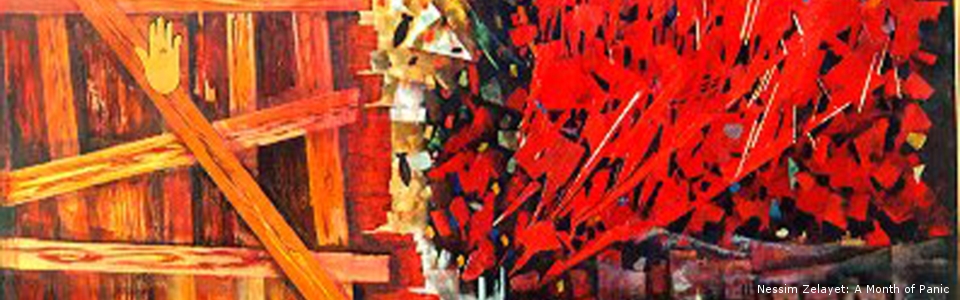
In the 1930s, Nazi propaganda spread in Iraq and anti Jewish laws limited jobs and schooling. In April 1941, Rashid Ali al Gaylani seized power in a pro Axis coup. When it collapsed, mobs attacked Jewish neighborhoods of Baghdad on the holiday of Shavuot. At least 180 Jews were killed, many more were wounded, and hundreds of homes and shops were looted. The word farhud means violent dispossession.
Exodus
1948 to 1952
In 1948, Iraq made Zionism a crime punishable by death. Jews were dismissed from government jobs, and the wealthy businessman Shafiq Ades was publicly hanged in Basra. In March 1950, a law allowed Jews to leave if they gave up their citizenship; a year later, the property of those who left was frozen.
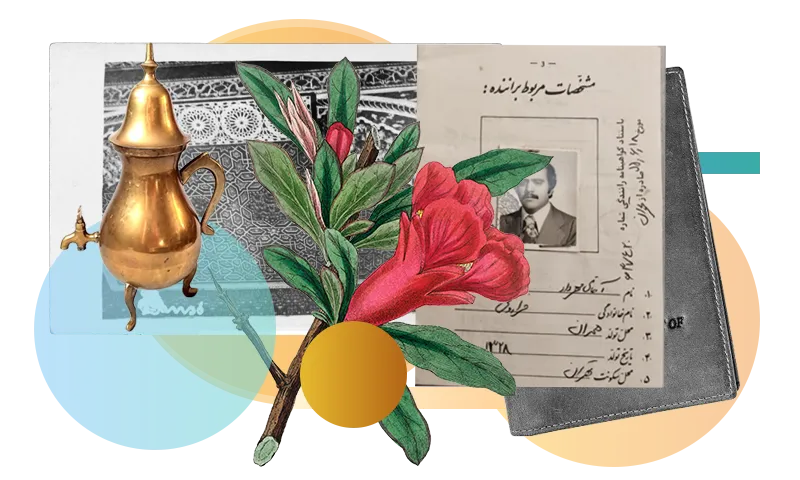
Between 1950 and 1952, about 120,000 to 130,000 Iraqi Jews left, most airlifted to Israel in Operation Ezra and Nehemiah, carrying almost nothing. Others had escaped earlier across the border to Iran.
The last chapter
1952 to today
Several thousand Jews remained. They faced arrests, travel bans, and economic restrictions. In January 1969, nine Jews were among fourteen men publicly hanged in Baghdad and Basra on false charges of spying. In the 1970s, most of those remaining were allowed to leave. Today fewer than five Jews are believed to live in Iraq.
In 2003, American soldiers found thousands of water damaged Jewish books and documents in the basement of Iraq's secret police headquarters. Known as the Iraqi Jewish Archive, they were restored in the United States, and their future home remains a question of deep importance to Iraqi Jews.
Living heritage
Iraqi Jewish culture today
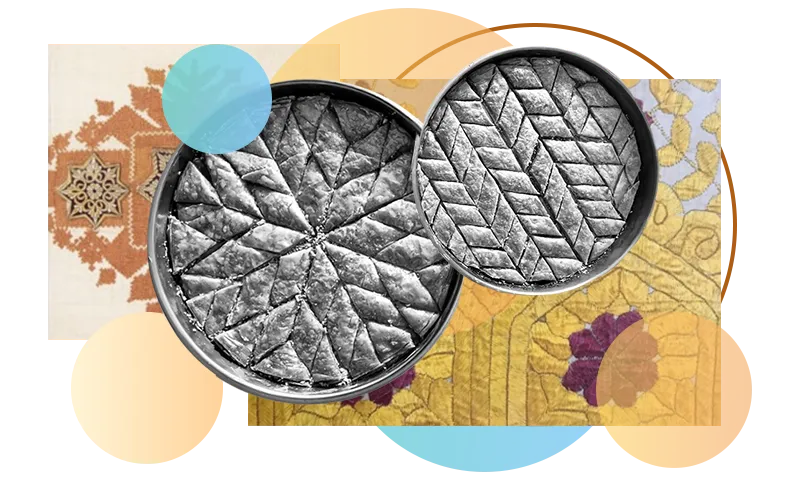
Iraqi Jews brought their culture to Israel, Britain, the United States, and beyond: the Judeo Arabic of Baghdad; dishes like tbit (overnight chicken and rice), kubba, and amba, and the sabich sandwich that Iraqi Jews made famous in Israel; and the maqam music of Salih and Daoud al Kuwaiti, whose songs are still played on Iraqi radio.
Explore further
Keep exploring
Timeline of Jewish Presence → Key dates in the history of the Jews of Iraq, at a glance. |
Policies, laws, and decrees → The laws that shaped the rights and lives of Jews in Iraq. |
Oral histories from Iraq → Watch Iraqi Jews tell their own stories. |
Iraqi Jewish culture → Languages, music, food, and traditions. |
Iraqi Jewish recipes → Dishes for Shabbat, holidays, and every day, and the stories behind them. |
Books on the Jews of Iraq → Histories, memoirs, novels, and children's books in JIMENA's library. |
For the classroom
Questions to discuss
- The Babylonian Talmud was written in what is now Iraq. Why does that make Iraq important to Jews everywhere?
- What was the Farhud of 1941, and how did it change the way Iraqi Jews saw their future?
- Iraqi Jewish musicians helped create modern Iraqi music. What does it mean when a community's culture lives on after the community is gone?
Sources: History of the Jews in Iraq; Farhud; Preserving the Iraqi Jewish Archive (U.S. National Archives).