Personal Stories
Iraqi Jews and their descendants share memories of home, the Farhud, the airlift to Israel, and the new lives they built around the world.
Written Narratives
Charles Dabby
Charles Dabby recalls his Jewish childhood in Baghdad, his journey through Iran and Turkey to Israel, and his rise as a successful American tourism entrepreneur while struggling for 22 years to reunite with his family after their separation in Iraq.
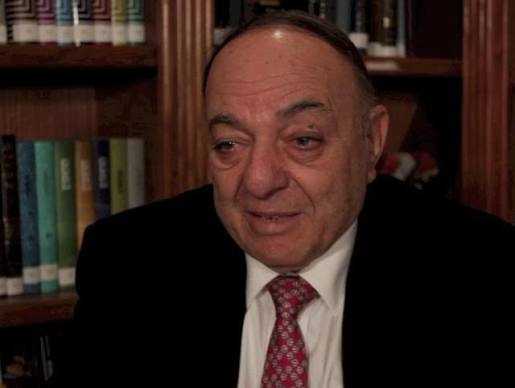
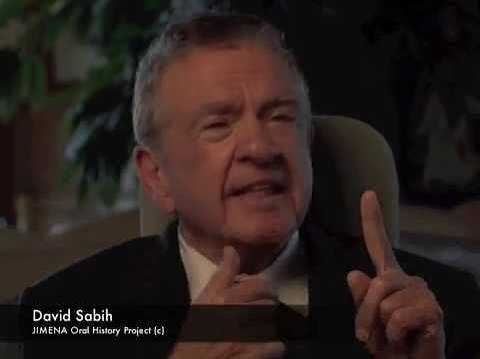
David Sabih
David Sabih recalls his privileged Jewish childhood in Baghdad, the public hanging that prompted his escape from Iraq in 1950, and his journey through Iran to Israel and the United States, reflecting on family separation, displacement, and Jewish identity.
Michael Shamam
Michael Shamam recalls his prosperous Jewish childhood in Baghdad, the devastating violence of the 1941 Farhud, and his family's flight from Iraq to Israel after losing their citizenship and property, while reflecting on the Iraqi Jewish traditions he continues to maintain in America.

Naim Dallal
Naim Dallal recalls the vibrant Jewish community of Baghdad, the antisemitic persecution and 1941 Farhud pogrom that shaped his family's displacement, and his journey through England and Israel before settling in the United States.
Victor Ozair
Victor Ozair recounts his childhood in Baghdad, his experiences during the 1941 Farhud pogrom, and his family's displacement and resettlement in Israel, where he overcame discrimination to pursue a career in nuclear engineering before settling in the United States.
Sasson Azoory
The Iraqi Jewish Archive: A Personal PerspectiveBy Sasson AzooryOriginally published September 3, 2013My name is Sasson Azoory, and I left Baghdad, Iraq, in 1959 to study in the United Kingdom. At the time, Iraqi General Abd al-Karim Qasim was in the midst of his three-year rule. During this brief period, Iraqi Jews were granted freedom of movement, and I was one of the few Jews able to leave the country using my Iraqi passport.A few years after my departure, General Qasim was assassinated, ushering in a very dark period for the remaining Jews of Iraq. By the mid-1960s, fewer than 6,000 Jews remained in Iraq, and many began leaving illegally, at considerable risk to their lives.In 1966, while I was still studying in the United Kingdom, the Iraqi government revoked my passport, leaving me a stateless refugee. They did this simply because I was Jewish. I immigrated to Canada in 1968 and received Canadian citizenship five years later, in 1973.Since the 1950s, successive Iraqi governments have revoked the citizenship of Iraqi Jews, confiscated our communal and private property, and made our lives increasingly intolerable. The Iraqi Jewish Archive, now being held in Washington, D.C., which the current Iraqi government wants returned, is simply stolen property.In my opinion, any guarantee by the current Iraqi government that it will protect the Jewish archive is a cynical attempt to deceive the U.S. government. I find it laughable that these artifacts, including sacred Jewish scrolls written in Hebrew, would be exhibited and appreciated by members of an Iraqi public among whom hostility toward Jews has been widespread, and where synagogues have been destroyed and Jewish cemeteries desecrated.It would not surprise me if the Iraqi government eventually tried to sell these artifacts back to Iraqi Jews once the dust settles. In 1982, the Iraqi Jewish Association of Toronto paid a $10,000 bribe to smuggle a Torah scroll to Toronto via London. The temptation to profit from these treasures, which hold little religious significance for most Iraqis, may be considerable.If the Iraqi government, after driving Jews out of Iraq and confiscating their property, genuinely wishes to claim these artifacts as part of Iraq's history and heritage, it can demonstrate its good faith by beginning to repair and restore the many Jewish buildings and monuments throughout Iraq. In doing so, it would allow the Iraqi public to encounter, appreciate, and better understand the Jewish heritage that was once an integral part of their country's history.
Linda Menuhin
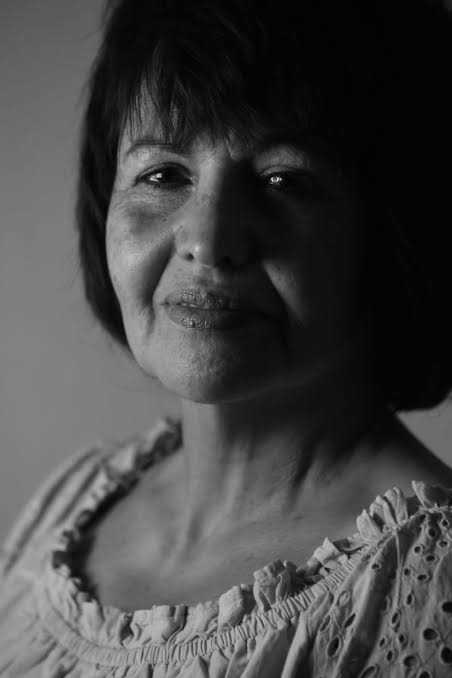
Linda Menuhin reflects on her father's disappearance under Iraq's Ba'athist regime, her search for answers, and the importance of the Iraqi Jewish Archive in recovering the memories and heritage of a displaced community.
Iraqi Oral History Collection
Watch JIMENA's video interviews with Jews from Iraq, including Yvette Dabby, Victor Ozair, and Salim Fattal.