Personal Stories
Uncover the hidden narratives and vibrant legacy of the Jewish community. Explore the personal journeys shared below.
Written Narratives
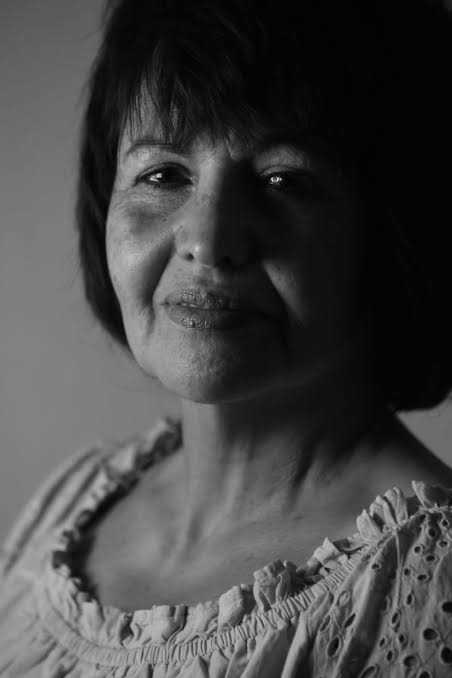
Linda Menuhin
Conjuring the Memory of Iraq
By Linda Menuhin
More than 40 years have passed since I fled Iraq, yet Iraq has never left me. Time and again, I have earnestly tried to bury my past, but without much success. This year, on Yom Kippur, I honored my father's memory with a sense of fulfillment.
On the eve of Yom Kippur in 1972, my father, a distinguished lawyer in Iraq, disappeared. He was the first Jewish person to disappear during the Ba'athist regime's years in power. In 2003, as U.S. troops entered Iraq and toppled the Ba'athist regime, denying my father's fate was no longer an option.
During that time, memories of Iraq became constant visitors to my home in Israel. I devoted all my energy to deciphering the clues surrounding my father's disappearance. Friends around the world, including some inside Iraq, tried to help trace documents that might provide a clearer understanding of what had happened to him.
This decades-long search for my father is at the heart of a new feature documentary, Shadow in Baghdad, by award-winning filmmaker Duki Dror. It took Dror four years to complete the film. For me, however, this story is a journey I carry with me every day of my life. Documents have helped me reconstruct my father's image and paved the way toward a more rational understanding of what happened to him.
Documents are an essential part of human history. They preserve living memories and bear witness to the existence of entire communities. With this in mind, I am looking forward to visiting the U.S. National Archives and Records Administration (NARA) exhibition, Discovery and Recovery, which will feature Iraqi Jewish documents recovered by American troops in 2003.
The exhibition, opening on October 11, may offer a more complete picture of my life in Baghdad while highlighting the rich cultural heritage of the Iraqi Jewish community to which I belonged and the generations of ancestors who came before us.
The exhibition may also help me recover lost memories. Were it not for the recovery and restoration of the Iraqi Jewish Archive, these documents might have been lost forever in the sewage-contaminated water of Saddam Hussein's secret police headquarters, where they were discovered.
Although the U.S. government has restored and digitized these Jewish documents, it remains committed to returning the originals to Iraq, despite the fact that virtually no Jewish community remains there. It saddens me that most Iraqi Jews will never be able to see the original documents in the archive, as Iraq does not permit Israeli citizens to enter the country.
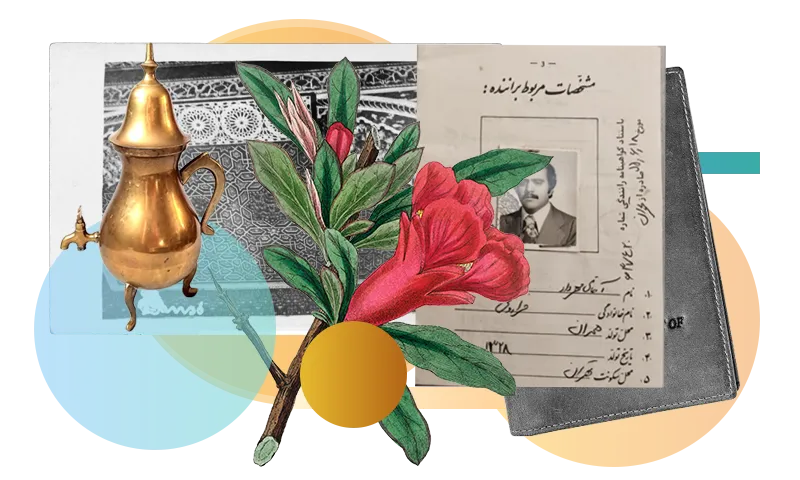
Some of these documents, including student records from the Frank Iny School, belong to Iraqi Jews like myself, who are now scattered around the world. The archive also contains religious books confiscated from Iraqi synagogues by the Ba'athist regime. Some of these books belonged to Jews who were afraid to carry them while fleeing the country illegally.
Why would Iraq insist on reclaiming this Jewish communal treasure while the country remains ravaged by factional warfare? If Iraq cannot protect its own people, how can it be expected to protect the documents of a community it persecuted? The notion that Iraq should claim these Jewish documents as part of its national heritage, while disregarding the rights and experiences of the Jews who created and safeguarded them, is a bitter irony.
Like other Iraqi Jews, I care deeply about the contents of the archive and the memories they conjure. These documents hold far greater personal meaning for those of us whose families and communities they represent than for the various Iraqi factions that claim them as part of their heritage while remaining embroiled in violent conflict.
Through a journey marked by both profound satisfaction and enduring pain, I have come to embrace two identities: Iraqi and Israeli. Somehow, both have found a way to coexist peacefully within me.
My hope is that Iraq, too, can one day embrace and honor the histories, experiences, and rights of its diverse minority communities, both those who remain and those who live in exile.
Timeline of Jewish Presence